SAP SuccessFactors Job Profile Builder (JPB) is a tool used to create and maintain job profiles associated to job roles. Job profile content can be used when creating job requisitions but it can be used for much more. JPB is integrated with many HCM modules and the key that ties all of these modules to Job Profile Builder is job roles.
The job profile components can be used in many modules. These components are useful in many areas of SuccessFactors including:
Performance Management
Career Development
Succession
Employee Profile
First, let’s look at a job profile. Job Profiles are tied to job roles within a job family. The profile can include education, skills and competencies to associate with a job role. This information can get pulled into a req and the position associated with a job will inherit its properties.
An example of a job profile is shown below.
Job Profile
Competencies are a very critical component of a job role. The competencies are selected from a competency library, most notably the SuccessFactors 2.1 Competency Library. Once the job roles are created, competencies are selected to map to roles. Positions associated with a job will then have these competences that can included as requirements on a job req or a way for an employee to track progress on goals.
As you see below, for a role, a competency library is selected and then competencies can be added.
Mapping Competencies to a Job Role
Job codes, skills, competencies and talent pools can be mapped to a job role. Job codes associated with the roles will inherit the skills and competencies. An example is shown below.
The job role below has a job code, 8 competencies, 4 skills and a talent pool mapped to it.
Job Role with Mappings
This means that all positions associated with a job code will then have the associate skills and competencies.
Performance Management Any job related competencies can be included on performance form template. This allows an employee to be rated on their job specific competencies.
When a form is generated, all competencies associated with the employee’s role will be pulled in when a performance form is generated.
Role Competencies on PM Form
Development Goal Plans
Development goals can have have competencies added. This is especially useful when using Career Worksheet which we will look at next,
Competencies on Development Goal
Career Worksheet The Career Worksheet is a component of Career Development and is used by an employee to discover development opportunities based on roles that may wish to grow in to. The Career Worksheet is also dependent on job roles and their job role definitions, mapped competencies and expected competency proficiency ratings.
Job profiles will appear throughout the career worksheet, when browsing roles, viewing suggested roles, viewing career paths to name a few.
The employee selects future or targeted roles to view along with the job role’s associated competencies. The worksheet identifies competency gaps which highlight development areas that the employee needs to work on. The worksheet also illustrates how ready an employee is for the targeted role based on their competency proficiency. The worksheet may also be used to view career paths and suggested future roles.
Competency mappings to roles are the sole source of competencies listed on the career worksheet. Only ratings from completed forms are displayed in the career worksheet.
A job role will require a number of competencies and each competency should have an expected proficiency level rating. An employee’s readiness for the role depends on whether the employee’s proficiency rating for the competencies meets the expected ratings.
The system uses the Career Worksheet readiness calculation to compute a competency match score which compares the employee’s competency rating with the expected rating for the role.
An employee can browse career paths and suggested roles from their Career Worksheet. Employees can proactively prepare for that next step. By discovering the competencies and skills needed to exceed in a job role, the employee can create development goals that align with a targeted role. This gives employees a sense of empowerment to develop skills, behaviors and competencies to prepare for future roles.
Suggested Roles
Suggested roles can be based on career paths or through an algorithm based on a set of criteria. The suggested roles can be a combination of competencies, targeted roles, career path and roles selected by peer. Clicking within any role will will display the job profile, Selecting a role will add it to the employee’s career worksheet in order gauge their readiness for the role.
Suggested Roles
Clicking the plus sign will add the role the employee’s career worksheet.
The employee can view job roles based on job family. Selecting any will add the role to career worksheet.
View
Career Path
Once a target role is selected, the career path for the role can be viewed. This gives the employee a chance to see the job role progression. Job profiles for the roles in the path may be viewed as well.
On the Career Worksheet, the job profile of a targeted role may be viewed.
Career Path for Target Role
All of the job roles that have been configured for a career path will display. The targeted role will be highlighted. Clicking on the information icon give the employee a view of the job profile which can be used to help them decide if that is a job they may like to grow into.
Job Profile
Role Readiness Form
The Role Readiness form is launched from the Career Worksheet by the employee and is used to rate how proficient they are in the competencies needed for any future roles that they selected. The form is used to help employees plan their career development and identify areas of development needed for the future roles.
Role Readiness Form
Readiness Meter
Once the form has been completed, the readiness meter on the career worksheet will show how ready the employee is for the targeted role.
Readiness Meter
Gap Graphs
There is a gap graph for each competency comparing the last competency rating of record for the employee with the expected rating for that role. All job roles mapped to a competency will be included. The graph shows the actual competency rating from the latest rating form against the expected rating for the competency.
For any large gaps for the competencies, the employee may decide to add a development goal to help them become more proficient. This will add the development goal to their development plan. The development goal will also show the linked competencies.
Succession
Job roles can be tied to talent pools. When a talent pool is mapped to a job role, all positions tied to the job code will then become members of the talent pool. Talent pools associated with a position display in the position card when accessed from the Succession Org Chart or Position Tile view.
An employee’s talent card will also show the talent pools their position is associated with as seen below.
Talent Pool on Talent Card
The Position card will also show talent pool successors.
Position and role information may be viewed as well. Within the Succession Org Chart, when viewing a position, the associated job role details may be viewed. Clicking ‘View Role Details’ will open the job profile associated with the role.
Role Details
Employee Profile
The skill profile is linked to JPB.
Employees can add skills whick can be used for employee development and succession planning,
Skill Profile
Conclusion
I hope you can see that Job Profile Builder can be used beyond Recruitment. The job profiles created can be extremely useful in developing the people within your organization and not just for finding new talent.
For more information on the Job Profile Builder and Talent Management Integrations, check out our book here!
As year-end approaches, it is common for many companies to take a second look at their employee performance and goal setting processes. In the past few weeks, I’ve been helping multiple companies revamp their employee performance processes. While some are just tweaking current forms and processes, others are considering including a new and often enlightening process – 360 evaluations.
What is a 360 evaluation?
The idea behind a 360 evaluation is to get a picture of how others view your performance from all angles. This means that in addition to getting feedback from your manager (top down), you also get feedback from your own direct reports (bottom-up), peers (side), and even external sources (vendors, business partners, customers, etc.).
Why do companies implement 360 evaluations?
Receiving feedback from a variety of sources helps create a more complete picture of how an employee is performing and/or perceived to be performing from different angles. 360 evaluations can help uncover trends and gaps in these different angles. For example, a manager may consider an employee a top performer, but when feedback is asked from peers or external sources on an anonymous basis, the employee might get different feedback (“He’s always on top of his own tasks, but sometimes at the expense of the team as a whole when we need his support”). Similarly, an employee may not be considered a top performer by a manager, but feedback from others could reveal a lot of solid performance feedback into which the manager never previously had sight (E.g. “She’s been so helpful in getting my career on the right path and helping me with work tasks at the expense of her own!”). Allowing this feedback to come to light can help employees and managers work to truly improve employee performance. We’ll take a look in a moment at how SAP SuccessFactors 360 evaluations aid in attaining this kind of feedback.
Walk-through of a 360 form in SAP SuccessFactors
360 forms are launched just like performance forms are. However, it is important to note that 360 forms use a separate screen for launching (don’t worry, this screen pretty much works the same as the other launch forms screen you are used to. After picking a target population, the admin can launch just like a normal performance form.
Search bar showing separate launch screen for 360 forms
360 forms will also show up in the performance inbox like other performance forms, but with a different icon. It is important to recognize that 360 forms use a template type than regular performance forms and get treated slightly differently in these respects.
View of Performance Inbox with both 360 and regular performance reviews
Once the first person in the route map gets the form (in this case the employee), they need to choose who will be involved in the evaluation. The system can be configured to default in people for categories like direct reports, manager, and peers.
Employee nominates raters step of 360 review
Users also have the option to add external participants as shown below by simply providing a first name, last name, and email and then choosing in what category the person should be included.
Adding an external participant
Once the user is finished adding participants, there is usually an approval step prior to the evaluations being sent out. Evaluations can be designed using sections similar to those you are used to seeing in a standard performance review form. There are sections for objectives, competencies, as well as an introduction and a section for the subject’s information. Unlike regular performance forms that can be configured heavily on the online editor in “Manage Templates”, 360 forms can only be fully setup by partners or SAP (though much of the config is done in the online editor).
For internal participants, the evaluation is sent to the user’s performance inbox like the typical performance reviews where they can then open the form as shown below.
360 Review Form Sent to Evaluator
In the case of external participants, after approval of the evaluators, an email is sent with a link that allows external users to access the form. This can be a security consideration for some organizations since the link is only as secure as the receiving email system.
After all evaluations have been completed, the form is put in the completed status and the employee / manger / etc can view the results depending on permission settings. You can see an example completed performance form below.
Completed Review showing Anonymous ratings
One key advantage of the 360 form in SuccessFactors over the typical annual performance review is that the 360 feedback comments and ratings can be made anonymous. Obviously the user would know who their manager is, or they might be able to derive who the other evaluators are based on category if there are only one or two – so the forms allow you to configure minimum counts in each category as well as rollups to combine categories to help keep anonymity. The user can click on the link for each reviewer to see the details of each review and create an HTML or PDF printout of the details as shown below.
Printed Detail of Individual Review Feedback
The form also has a nice detailed report showing the combined feedback comments and overall ratings by category. This can help the employee and manager understand where any gaps between self and manager evaluation ratings may exist along with other types of ratings from other categories. For examplem we can see below there is a large gap between the manager’s perception and the employee and other’s perception of “Prioritizing and Organizing Work”. Perhaps the manager is getting too much priority and the employee needs to focus on the work the team as a whole needs completed!
Wrap Up
After this quick walkthrough, hopefully you can now see the advantage of 360 forms as an insightful tool to get employee performance feedback from a variety of sources and understand what a typical end-to-end 360 process looks like.
For more information about 360 forms and other talent management modules in SAP SuccessFactors, check out our book here!
Do you need help implementing or changing your 360 form or other performance and goals processes? Contact us at info@worklogix.com.
With so many jobs lost, we all need to hunker down and concentrate on keeping our current jobs until things get better right? Nothing could be further from the truth!
Realizing the Need
Just last week, I had a call with a customer who wanted to re-examine their Succession Management process. They had the system set up. They didn’t really use it. Then COVID hit. Like many companies, the organization underwent a lot of changes and left a lot of resource gaps. Now they are realizing they could have been better prepared and are looking to quickly ramp back up their succession process. They are not alone.
Throughout this year, I’ve had the pleasure of serving on HR.com‘s advisory board for Internal Mobility, Succession, and Career Development. The organization just recently published the results of the cross-industry study we board members helped create. From what I see, the survey results are consistent with what I am seeing in the example I described above. Let’s take a closer look at the facts!
First off, most organizations recognize they don’t have an effective succession management and/or planning process in place. In addition to only 40% of companies agreeing or strongly agreeing that their process is effective as shown below, another survey question revealed that only 26% have a succession management system in place.
Source: HR.com’s Internal Mobility Webinar Nov 5, 2020
Furthermore, the survey also found that only about 1 in 5 companies have considerable job mobility within the organization.
Source: HR.com’s Internal Mobility Webinar Nov 5, 2020
At the same time, companies realize that business continuity (e.g. keeping the lights on!) is the most important reason to promote succession management and internal mobility.
Source: HR.com’s Internal Mobility Webinar Nov 5, 2020
Recognizing The Gap
So let’s get this straight, companies recognize that Succession and Internal Mobility are important, but they don’t currently have good systems and processes in place to support them. So why don’t more companies get their Succession Management systems and processes up and running? The problem is, most organizations don’t consider Succession Management important to the organization.
Source: HR.com’s Internal Mobility Webinar Nov 5, 2020
The gap here is that the process really is important for the reasons these companies have already realize and just not acted up (remember what we said about keeping the lights on?). And many companies right now are starting to realize this the hard way during COVID as employees leave both voluntarily and involuntarily and large resource gaps are being felt because of this process gap. I can only attribute this trend to “perception” since the facts point to a real need here. I think it is time to end this perception!
Is It Worth The Investment?
If I invest in a Succession and Development Management strategy, is it really going to work? The answer is “Yes!” The survey found overwhelmingly that those organizations who are internal mobility leaders, it is easier for employees to move to new positions. Making it easy for employees to move from one position to another makes it easier to fill critical roles with people your organization already knows and trusts rather than going through the expense and risk of recruiting externally (which many companies are still unable to do at all at the moment with some still experiencing hiring freezes).
Source: HR.com’s Internal Mobility Webinar Nov 5, 2020
OK, I get it, I need Succession and Internal Mobility! How do I get started?
There’s a ton of ways! We’ve talked a lot about Succession Management – which involves tagging which roles are critical to the organization and identifying how to fill those roles. This can help you define who to develop and what they need to develop. But of course, that means investing in employee development itself! Not surprisingly, the survey found a similar trend here. Almost half of companies reported they did not have a development process or program!
Source: HR.com’s Internal Mobility Webinar Nov 5, 2020
What’s more frightening, is that during the Pandemic, when the concentration should be on developing the fewer employees many companies are trying to make more effective, the opposite seems to be happening. 47% of companies saw decreases in employee development.
Source: HR.com’s Internal Mobility Webinar Nov 5, 2020
At the same time, employee demand for development opportunities has increased! 75% of companies saw that employees are looking for development opportunities!
Source: HR.com’s Internal Mobility Webinar Nov 5, 2020
Once again, there is a huge disconnect which helps explain further why many company strategies are out of alignment with the needs. Only once employees are able to develop their skills and competencies in order to meet the needs of critical roles will they will be ready to start filling those critical roles.
There are a lot of specific strategies companies are using the promote internal mobility and fill their succession management strategies. To find out more information about the different approaches companies are taking to implement their Succession and Development Strategies, you can download the full survey at HR.com or contact info@worklogix.com to talk more about your strategy!
For more information about Succession Management and other talent management modules in SAP SuccessFactors, check out our book here!
There are new universal and admin opt-in features in the H2 2020 Performance Management release along with a large number of universal features. We will start with what’s new. There are two admin opt-in updates and two universal 360 related updates.
New Admin Opt-ins
There are two new admin opt-ins available and we will look at them both.
Latest Version of Goal Management
The latest version of Goal Management provides users with an upgraded user interface with a comprehensive view of goals and development goals. This streamlined tool also enables access to the latest version of Continuous Performance Management (CPM) to create and view linked activities.
A notable change is combining performance goals and development goals within the navigation menu. Development goals now appear as a tab within Goal Management. An example is shown below.
Development Plan Tab
For both plans, the view is cleaner and more visually appealing. Goals are more prominently displayed and may be viewed by status as well. You can see what the new goal plan looks like below.
Linked achievements for the latest version of Continuous Performance Management (CPM) may be viewed here rather than having to go out of the goal plan and navigating to CPM. Activities can be added directly to goals and linked activities may also display. An example of activities tied to a goal is shown below.
Linked Goal Activities
For managers, the new look is especially helpful. It is easy to navigate to direct report’s plans or any other users in their target population. An example the manager’s goal plan view is seen below.
Manager View of Goal Plans
Job Profile Builder Support for Writing Assistant and Coaching Advisor
The other new admin opt-in feature pertains to competencies when Job Profile Builder (JPB) is used. Previously, to use Writing Assistant and Coaching Advisor for competencies in a performance form, the Teasers and Tunings were added to a competency library via an import file in Provisioning.
Now this task may be accomplished in the UI with the tool “Manage Writing Assistant and Coaching Advisor“. This update fills a gap between JPB and Job Description Manager. Within this tool, a competency library overview page will display. After selecting the library and finding the competency to update, teasers and tunings can be added to the performance details. An example is shown below.
Adding Teasers when JPB is Enabled
This new feature enables users without Provisioning access to create and modify the writing assistant and coaching advice content.
New Universal Updates
There are two new universal updates for H2 2020 both for 360 Reviews.
Advanced Search of Universal People Search Available in 360 Reviews – SAP Fiori Version
Advanced Search of Universal People Search is now available for 360 reviews. When searching for employees, when the “Find Employee” dialog box appears, there will be advanced search options. This search can be used in the “Add Participants” dialog box, in the “Send a Copy” dialog box and in the “360 Executive Review” page. The updated search screen is displayed below.
Advanced Search of Universal People Search
Detailed 360 Report in 360 Reviews – SAP Fiori Version
There is a revised version of the Detailed 360 Report. It has cleaner and easier to read layout. An example is shown below.
Detailed 360 Report
The settings are now housed at the top of the report and fonts are bigger and brighter for the gap values. Comments are more visible and appear beside ratings.
There is a radarchart to display competencies and ratings on the Graphical Summary tab. The print set up dialog box now offers an option to print specific views.
Admin Opt-in Updates
There are three admin opt-in updates available: New Competency Picker in Forms, Qualtrics Surveys for Steps in Performance Reviews and Customized Labels for Calculated Rating and Manual Rating in Customized Weighted Rating Section. Since there are sever
New Competency Picker in Forms
This opt-in is available when Job Profile Builder (JPB) is enabled and is used when adding competencies to a performance form. The new competency picker is used on PM forms to find competencies to add. Competencies can be found using a hierarchy structure and a search option. Competences can be selected by competency library or job roles and using keywords search. An example is shown below.
Add Competencies
Qualtrics Surveys for Steps in Performance Reviews
If you are using Qualtrics surveys in your performance process, the current version only allows the survey to appear after the employee signature step. In the new version, you may select which steps and for which roles the survey should display. The survey can be used for single role, iterative, and collaboration steps.
Customized Labels for Calculated Rating and Manual Rating in Customized Weighted Rating Section
The labels for the calculated rating and the manual rating in the Customized Weighted Rating section can now be customized using an XML file. In the previous version, the labels for the calculated rating and the manual rating were hardcoded as Calculated Form Rating and Overall Form Rating.
Universal Updates
There are several universal updates for Performance Management. Many revolve around the Customized Weighted Rating Section of a performance form. We will look at these but first we will look at the other universal updates.
Message to Remind Users Before Removing Signers
In a performance form that allows for a signer to be removed, there is now a reminder in the Remove Signer confirmation pop-up. The message is to remind users that by removing a singer, the form automatically routes to the next step. If that is not the user’s intent, they need to add a new signer before removing the current signer. An example of the new reminder is shown below.
Message Added to Remove Signer
New Feedback Data in Goal Plans
Feedback from Continuous Performance Management (CPM) is now available to display in performance and development goals plans. The CPM achievements column for a goal currently shows the count of achievements tied to a goal. With the latest version of CPM, achievement related feedback will also display. In the CPM achievements column, clicking on the count will now display the feedback topic title along the topic title and three sets of questions/answers from the Achievements tab.
New Feedback Data in Performance Management Forms
The CPM achievements column in the performance and development goal sections of a PM form currently shows the count of achievements tied to a goal. With the latest version of CPM, achievement related feedback will also display. In the CPM achievements column for a goal, clicking on the count will now display the feedback topic title along with the three related feedback question/answers.
If any achievements or feedback is deleted in CPM, the data is also deleted from PM forms, including completed forms.
You can check out my blog on the H2 2020 CPM Release Updates to see what else is new.
The remaining universal updates that we will discuss pertain to a very specific summary section of a performance form: Customized Weighted Rating.
Removal of Enable Customized Rating Calculation from Form Template Settings
“Enable Customized Rating Calculation” no longer appears in Form Template Settings as seen in the example below.
Current Method to Enable Customized Rating Calculation
“Enable Customized Rating Calculation” was a prerequisite to enable the calculation.
In the new version, simply adding the Customized Weighted Rating section to a form template acts as the prerequisite to enable the calculation of the overall customized weighted rating.
Enable Customized Weighted Rating
The business rules that trigger the calculation must also be configured.
Rating Scale for Customized Weighted Rating Section
In the previous version, the rating scale for the Customized Weighted Rating section used the same rating scale as the other rating section. In the new version, the Customized Weighted Rating section has its own rating scale.
“Unrated” and “Too New to Rate” in Previous Ratings of Customized Weighted Rating Section
In the previous version, “Unrated” and “Too New to Rate” were not in the Previous Ratings table of the Customized Weighted Rating section of a PM form and just displayed as 0. In the new version, “Unrated” and “Too New to Rate” are displayed in the Previous Ratings table of the Customized Weighted Rating section and both are ignored in the calculation of the overall customized weighted rating.
Allow Override of Unrated Manual Rating for Customized Weighted Rating Section
In the Customized Weighted Rating section of a form template, there is now the option to override the unrated manual rating. The option, Allow Override of Unrated Manual Rating has been added so this summary section can work like the others as seen in the example below.
Allow Override Unrated
In the previous version, the unrated manual rating displayed as Unrated. In the new version, the unrated manual rating can be overridden by the calculated rating.
Too New to Rate in Customized Weighted Rating Section
Like the other summary sections, there is now the option to provide a label to explain why an employee is not rated. An example using the current summary section is displayed below.
Unable to Rate Label
The summary section example above shows the Unable to Rate field will be available as an option in the Customized Weighted Rating section of a form template.
Calculated Rating from Customized Weighted Rating Section in Ad Hoc Reports
If you are using the calculated rating in the Customized Weighted Rating section of a form template, ad hoc reports use the unadjusted calculated rating from the performance template summary section instead. An example of creating an ad hoc and selecting rating columns is shown below.
Unadjusted Calculated Overall Performance Rating
In the new release, when creating an ad hoc report, when this same field is selected, the Unadjusted Calculated Overall Performance Rating from the Customized Weighted Rating section is used. This means reporting will accurately reflect the ratings in the performance forms. This is especially important when the template has both the Summary section and the Customized Weighted Rating section. The calculated rating from the Customized Weighted Rating section overrides the unadjusted calculated rating from the Summary section.
Customized Weighted Rating Section and Ratings Displayed in En Route Folder
In the prior version, when a form with the Customized Weighted Rating section was in the En Route folder, this section’s ratings were not in sync with the in-progress form. In the new version, the Customized Weighted Rating section section of a form will display in the En Route folder and will be synced with the in-progress form. The Previous Ratings table of the section will contain the ratings from the previous steps for the login role and by other roles.
Calculated Rating from Customized Weighted Rating Section in Bin View
There is a another feature available when a calibration template is based on a performance form template that contains a Customized Weighted Rating section. Currently, when the data source for a calibration template is a performance form template with this summary section, either the manual or the calculated rating can be calibrated. However, the calculated rating cannot be displayed in the Bin view of a calibration session.
With the latest release, the calculated rating from the Customized Weighted Rating section may display in the Bin view if this calculated rating comes form a PM form and the “Show calculated rating in addition to manual rating (only applicable to Bin view)” setting is enabled. An example is displayed below.
Calculated Rating Option for Bin View
Label for Rating Scale Scores in Previous Ratings of Customized Weighted Rating Section
In order to get a clear picture of what the numeric rating means, labels are now visible. In the previous version, the ratings in the Previous Ratings table in the Customized Weighted Rating section were displayed only as numeric values.
An example is shown below.
Numeric Rating in Prior Version
In the new version, the ratings in the Previous Ratings table of the Customized Weighted Rating section are displayed as numeric values with corresponding text labels. If rating numeric values are mapped to labels in the manual rating scale, the label display next to the rating’s numeric value. If no labels were mapped, the rating will continue to just display its numeric value.
And example is shown below.
Customized Rating Section with Rating Labels
There is a checkbox in the form template for this section: “Hide numeric rating values (only show text labels)” similar to other summary sections.
If a rating’s numeric value is mapped to a certain label for the manual rating’s rating scale scores, the corresponding label can be displayed next to the rating’s numeric value in the Previous Ratings table. Otherwise, the rating is displayed as its numeric value.
There is an added checkbox for this form section in ” Manage Templates“. There is the option to hide numeric rating values and only show text labels.
Customized Weighted Rating Section in Print and Save as PDF
In prior versions, the section calculated rating details were not displayed in the printed or saved performance form. Now the calculated rating details of the Customized Weighted Rating section of a performance form will be included in the printed or PDF version of the form.
To Learn More
All in all, there are over 20 items being changed or enhanced in this release for Performance Management and we didn’t cover every detail here. For more information, check out the What’s New Viewer here.
Do you need help managing your SuccessFactors Release cycles? Email info@worklogix.com to see how we can help!
As of October 9, 2020, SAP has released their documentation for the H2 2020 release. You can view the full set of documentation in the What’s New Viewer here. As a reminder, preview release will be October 16 and production will be released November 20th. For full details on the release cycle, check out the SAP SuccessFactors official product updates blog here. For tips on how to manage a release, check out or blog here. For your convenience, we’ve summarized the highlights of what’s new for 2020 within Calibration below!
With the H2 2020 release, there are additional features introduced for the latest version of Calibration. There are new universal and admin opt-in features along with five universal updates. We will review the updates starting with what’s new.
New Admin Opt-in Features
There are three admin opt-in features that provide additional access to employee information to make better decisions when calibrating ratings along with some enhanced admin functionality.
Access to Comments from Other Calibration Sessions
Currently within a calibration session, reviewers have access to subject’s comments on the session detail page. Based on the calibration role permissions, the reviewers may add, edit, delete or view comments. An example of the current functionality is shown below.
Current Subject Comment
With the new release, it is possible to reference comments from prior sessions. Seeing comments from prior sessions gives the session reviewers a more complete picture of subjects in order to make more objectively.
This option is set in the Advanced tab of “Manage Calibration Templates” as seen in the example below. Enabling “Roll up comments from the other sessions based on the same template” will give calibration reviewers access to comments from prior sessions.
Roll up Comments Setting
As seen in the example below, when adding or viewing subject comments during a session, the comment dialog box will now contain two tabs: “From This Session” and “From Other Sessions“. Comments for the current session may be added, edited, deleted or viewed. Other session comments are view only.
.
Prior Sessions Comments
However, comments from prior sessions will only display in the new tab if the other sessions use the same calibration template.
Replace Facilitator that becomes Inactive
There is a new setting that will be available in “Manage Calibration Settings”. Enabling “Choose a user to replace a calibration session’s only facilitator who has been inactive” will allow a new facilitator to replace the sole facilitator of a session who becomes inactive. Once a replacement facilitator is identified and the inactive user is purged, the facilitator is automatically replaced for the session.
Omit “Too New to Rate” from Rating Options using Employee Profile
On the Global Settings tab within “Manage Calibration Settings“, there is a new option that may be enabled. “Remove ‘Too New to Rate’ from rating options for the rating types from People Profile data” will omit “Too New to Rate” as an rating option when selecting Employee Profile as the data source for ratings. This will be apparent on the Data tab within “Manage Calibration Templates” when Employee Profile is selected as the data source for ratings to be calibrated. With this setting, “Too New to Rate” will not be displayed as a rating option.
New Admin Opt-in Feature
Odata API for Session Comments
A new OData API entity called “CalibrationSubjectComment” is now available so comments are exposed for interfacing. A query can be used to get a single comment made for a calibration subject using comment ID or to get all comments made in a calibration session. An example of the URI for getting all session comments is shown below.
We will now review the four universal features found in the latest release.
Access to Subject Comments
Currently, there is a comments column in the List View of a calibration session as seen below. If a comments icon appears for a subject, the reviewer would click on the icon and would be able to see existing comments. If the session reviewer also has “Write” permission, they could also add a comment. The vertical dots menu for each subject would be used to get to the link to add a comment as shown below.
Current Comment Column in List View
The comments column appears in the Subjects List for Executive Review as seen below.
Current Comment Column in Subjects List View
In both views, the column would contain a comment icon if there was a comment for the subject.
In the latest release, it will be easier to view and add comments. The comments column which houses a comment bubble will no longer be used in the List view of a calibration session or in the Subjects List within Executive Review. An example of the new comment feature is shown below.
New Comments
In the new release, the comment icon will appear with the subject name along with the comment count regardless of a user having any comments. If comments exist for a subject there will be a number count next to the icon. To add or view a comment, click the comment icon.
The Calibration History block on People Profile will display the comment icon with the comment count for each subject as well.
Autocomplete Search of Universal People Search
The Calibration module has adopted autocomplete search. This allows the admin in the “Manage Calibration Sessions” page and calibration users in the session list page and session details page to use the autocomplete search of the Universal People Search.
The current calibration sessions list page search options are seen below.
Current Calibration Session List Search Options
With the new release, there will be an “Add People” icon which enables the autocomplete search of Universal People Search. An example is shown below.
Search Options
Start typing to search for a name in the module search box. The system predicts names you are searching for. All matches will display as separate entries to choose from.
Enhanced Experience using Matrix Grid Views
The current matrix grid view within a calibration session is shown below. To see the talent card of a subject in a zoomed out cell, the “more” icon for a subject would need to be clicked and then “Open Talent Card” selected.
Current Zoomed Out Matrix Grid View
Available in full-screen and normal modes in the new release, the cards will be visible in zoomed out cells. There will be a scroll bar when a cell is too small to see all of the people cards. This feature makes it easier to compare subjects in zoomed in and out cells. An example of the new functionality is shown below.
New Zoomed Out Matrix View
Select Permission Model Obsolete
Within provisioning, in the “Enable Calibration” section of Company Settings, the option to select the permission model will no longer exist.
Current Permission Model Options
Now that all customers are using role-based permissions, the default permission model option is no longer viable so this selection will no longer appear.
Calculated Rating from Customized Weighted Rating Section in Bin View
There is a another feature available when a calibration template is based on a performance form template that contains a Customized Weighted Rating section. Currently, when the data source for a calibration template is a performance form template with this summary section, either the manual or the calculated rating can be calibrated. However, the calculated rating cannot be displayed in the Bin view of a calibration session.
With the latest release, the calculated rating from the Customized Weighted Rating section may display in the Bin view if this calculated rating comes form a PM form and the “Show calculated rating in addition to manual rating (only applicable to Bin view)” setting is enabled. An example is displayed below.
Show Calculated Rating in Bin View
Wrap Up
The latest release improves managing calibration sessions for the admin and improves the calibration reviewer experience.
Do you need help managing your SuccessFactors Release cycles? Email info@worklogix.com to see how we can help!
As of October 9, 2020, SAP has released their documentation for the H2 2020 release. You can view the full set of documentation in the What’s New Viewer here. As a reminder, preview release will be October 16 and production will be released November 20th. For full details on the release cycle, check out the SAP SuccessFactors official product updates blog here. For tips on how to manage a release, check out or blog here. For your convenience, we’ve summarized the highlights of what’s new for 2020 within Continuous Performance Management below!
The latest version of Continuous Performance Management (CPM) was restricted in the H1 2020 release and now will be generally available. The H2 2020 release builds on the redesign of the user interface for CPM that began this year.
There are four new admin opt-ins, two universal updates and one admin opt-in update available when using the latest version of CPM. We will start by reviewing what’s new.
New Admin Opt-ins
Latest Version of Continuous Performance Management using Upgrade Center
The upgrade to the latest version of CPM must be done as an admin opt-in using Upgrade Center. There are some features are automatically applied when upgrading:
Activities View- which uses a Kanban board for activity management.
Meeting View – to manage conversations.
Achievements View – with a new layout that shows activities linked to achievements.
Ability to link activities to development goals as well performance goals.
Activities must be used to create achievements.
When upgrading to the latest version, all current CPM users are impacted. It is worth noting if you are contemplating the move to the latest version of CPM, once the latest version is enabled, you can’t go back.
Once the upgrade to the latest version of CPM is completed, there are some additional admin opt-in features that may be enabled.
“Discussion Topics” replaces “Other Topics“. Any existing content within “Other Topics” gets converted to “Discussion Topics“.
There is also a new feature called “Meeting Notes“.
Multiple roles is a new permission based feature which allows users to have 1:1 meetings with anyone in their organization.
“Enable Activity-Feedback Linking ” to link activities and activities tagged as achievements to feedback.
Use of the latest version of Continuous Feedback.
“Disable Deleting Feedback” is a carryover from the prior version that is now available in the latest release which prevents a user from deleting any existing feedback.
Several features are no longer available with the latest version of CPM:
Achievement Feedback
Achievement Linking to Goals
Achievement Linking to Development Goals
Coaching
Link Activities to Development Goals in Continuous Performance Management
Another new admin opt-in available for CPM is the ability to link an activity to a development goal. In the H1 2020 release of the latest version of CPM, only performance goals could be linked to activities. An example of creating an activity and linking to a development goal is shown below.
Link Activity to Development Goal
Some additional functionality is available as well:
In addition to viewing activities by status and by goal, the Activities view will now have a tab for development goals.
When viewing an activity in the Activity Details view, the development goal linked to the activity will display.
Linked development goals will display in the Meeting view and in the Meeting History page.
Linked development goals in the Activities Kanban board may have name and details edited.
Goal linkage may be changed in the Activities Details page.
Integration with the Career Development Plan and the Development Goals section of a Performance Management form when an activity is tagged as an achievement to a development goal.
Goal Management
If you are using the latest version of Goal Management, Development will no appear in the navigation menu. Instead, performance goals and development goals are housed together within Goals with a tab for each. An example is shown below.
Access to Development Goals via Goals
The integration between Goals and CPM allows users to create and view activities within Goal Management. As it already functions for goals, it will now be possible to create and view activities in the Development Goal view.
Multiple Role Support for Continuous Performance Management
The final new admin opt-in feature allows roles beyond the manager/employee hierarchical relationship to use CPM. Currently CPM is limited to the view between a manager and their direct reports. The new Multiple Roles feature allows a user to invite someone else to share a CPM view which contains access to the Achievement, Activity, and Discussion Topic views.
This feature involves a concept called “Channels”. A user invites another user to a channel which contains the CPM Activity view and a Meeting view. An example is shown below.
CPM Channels
This feature enables users to have ongoing conversations with those they work with but are outside the traditional employee/manager roles. Users can view achievements and drilldown into individual activities. The Multiple Roles option needs to be enabled in CPM configuration view to use this.
Admin Opt-in Updates
Latest Version of Continuous Feedback for Continuous Performance Management
There is an improved process to request and provide feedback when using the latest version of CPM. Continuous Feedback is not housed within CPM but instead is found in the navigation menu. An example is shown below.
Continuous Feedback
There are tabs for feedback received, feedback given, and feedback requests sent. There are also buttons to ask for feedback and to give feedback.
New is the use of a topic and questions when requesting and giving feedback. Feedback is more targeted and based on questions asked of the feedback provider. Users could select from standard provided questions, admin created questions or allows users to write their own questions.
An example is requesting feedback is shown below.
Crafting Feedback Questions
This flexibility enables users to get constructive feedback on specific topics rather than receiving generic feedback.
Feedback details may also be viewed. An example is shown below.
Feedback Details
Filtering of feedback has also been enhanced. Feedback may be filtered by linked activities, shared feedback or feedback by date range. An example is seen below.
Filter Feedback
Universal Updates
There is two universal updates for latest version of CPM that relates to feedback.
CPM Feedback Data in Goal Plans
Feedback from CPM is now available to display in the performance and development goals plans. The CPM achievements column for a goal currently shows the count of achievements tied to a goal. With the latest version of CPM, achievement related feedback will also display. In the CPM achievements column, clicking on the count will now display the feedback topic title along the topic title and three sets of questions/answers from the Achievements tab.
CPM Feedback Data in Performance Management Forms
The CPM achievements column in the performance and development goal sections of a PM form currently shows the count of achievements tied to a goal. With the latest version of CPM, achievement related feedback will also display. In the CPM achievements column for a goal, clicking on the count will now display the feedback topic title along with the three related feedback question/answers.
Wrap Up
We have now seen what new features you can look forward to utilizing with the latest version of CPM.
Calibration is a process used to appraise employee performance in a fair and consistent manner. Managers meet in calibration sessions to discuss employee performance and achieve agreement on performance ratings. At the onset of a calibration session, the definition of each performance rating can be agreed upon to enable a common language to use when discussing and evaluating performance. The intent is to help eliminate any potential manager bias when discussing employee performance and finalizing ratings.
SAP SuccessFactors Calibration provides a framework to objectively evaluate employee performance. This tool provides HR and senior managers the means to impartially review and adjust performance ratings across teams, departments and the organization. A calibration session provides a visual presentation of employee data from multiple sources in multiple views. Evaluating ratings in several formats with different filters may help to find areas of bias.
Calibration may be a standalone process or part of a performance review process, a talent review process, or a compensation review process.
Information used within Calibration may be sourced from Performance Management, People Profile, Compensation, or Succession data. Within Performance Management, overall performance, potential, competency, and goal ratings may be calibrated. The Succession related metrics that may be calibrated are Risk of Loss,Impact of Loss and Reason for Leaving. Compensation ratios may be evaluated using the salary, bonus, stock and variable pay components of a compensation template. Overall potential, performance, competency, objective and two custom ratings may be calibrated from the talent profile section of People Profile. Upon completion of a calibration session, ratings are updated in the original source.
We will focus on calibration based on ratings from a performance form template.
Basic Configuration of Calibration
There are several steps to perform before we are ready to run a calibration session:
Enable Calibration in Provisioning
Configure Succession Data Model
Set role-based permission for Calibration access
Configure data source template
Enable calibration related e-mail notifications
Configure Calibration Template
Configure Calibration Settings
Assign users to Executive Review role
Configure Calibration History Portlet in People Profile
In this blog we will cover the steps to configure Calibration in Provisioning. The steps to configure Calibration in your instance will be covered in the next blog, “Configuring SAP SuccessFactors Calibration Part II – Instance Set Up”.
Enable Calibration in Provisioning
First we must enable Calibration in Provisioning. Within Company Settings, search for “Calibration” to find the section called Enable Calibration. Once found, click the checkbox as seen below.
Enable Calibration
Additional settings under Enable Calibration may be enabled here. If you plan on using Executive Review, which summarizes calibration activity across sessions, enable this feature here. We will need this feature enabled when creating the calibration template.
If you are going to permit managers to create their own calibration session, click the checkbox for “Enable Manager Calibration Session”. We will need this feature when configuring the calibration settings.
The other features may be set in the instance directly via Manage Calibration Settings and will then reflect as enabled in Provisioning. We will be discussing these features in the next blog, so we can leave the rest unchecked here.
There is also a radio button within Enable Calibration used to identify the permission model used. The default permission model is legacy permissions but you should be using Role-Based Permissions (RBP). Make sure “Use role based permission model”is selected.
Use Role-based permission model
Save the settings in this section of Company Settings before moving on to the next set of features to enable.
Calibration Reporting Permission
There are no standard reports or dashboards for calibration. Any calibration reporting will need to be done using ad hoc reports. If you wish to make calibration data available for reporting, go to the Analytics and Dashboard Tabs & Misc Reporting section of Company Settings.
“Additional Adhoc Sub domain Schemas Configuration” and “Enable INCLUDE STARTING FROM USER in people pill” will need to have the following enabled:
Calibration
Calibration Org Chart Coverage
Calibration Activity
After saving the settings, back out of Company Settings and we will continue with additional configuration set up.
Configuring Calibration in the Succession Data Model
There are elements in the Succession Data Model that can be used for calibration. We will need to update the data model to ensure these elements are configured. Export the data model in order to make updates.
Open the file using an XML editor. Here we will be updating the following:
Rating elements
Display options
Filter options
Calibration History Portlet
We will look at each of these.
Rating Elements
The ratings that can be calibrated are based on the available ratings configured in your system. While setting up Calibration in your instance, you identify the data source of the ratings. Earlier we had mentioned that ratings may come from performance form templates. You may calibrate ratings from an existing performance form template or you may decide to create a new performance form template in order to utilize additional rating types such as overall competency, overall goal and overall potential.
In either case, the data model must contain the rating elements that you wish to calibrate. Most likely these already are already in the data model but you will need to verify this. The rating elements are:
sysOverallObjective
sysOverallCompetency
sysOverallPerformance
sysOverallPotential
sysOverallCustom01
sysOverallCustom02
A code segment seen below displays an example of the overall performance rating background element.
sysOverallPerformance Background Element
Make sure all of the rating types that you wish to calibrate are included in your data model.
Additional Elements to Calibrate
There are three standard elements that may display in some of the views in a calibration session. If you are using SAP SuccessFactors Succession, these most likely are in used for Talent Flags and Matrix Grid reports.
riskOfLoss
impactOfLoss
reasonForLeaving
A code sample of the flags is shown below:
Talent Flags in Data Model
Display Options
Calibration sessions can display data in many views. In Part II of this series, you will learn how to create these views. There is a display option feature that is particularly useful for the List view tab. Here the data is displayed in a table with a row for each employee being calibrated. If there are several columns for this table, there could be a lot of back and forth scrolling. With the display option feature, some columns may be hidden. There is an icon for display options that enables users to add or remove certain columns from the view. Some are hardcoded and will always show up as display options in a calibration session:
First Name
Last Name
Count
Quickcard (if enabled in the calibration template)
The Quick Card display option may be enabled when configuring the Calibration template which we will discuss in Part II.
When clicking on the display options icon within the calibration session, any of these fields may be deselected and those columns will no longer display on the view.
There are some icons that may be added as a display option fields. Any display option fields defined for Succession in the Matrix Grid Classifier tool in Provisioning or the flags be set in Matrix Grid Report Icon Reconfiguration may also be used as display options in a calibration session. In the list view, any of these icons selected would appear in a new column called “Attributes”. Bin and matrix views the icons appear underneath an employee’s name. Having these icons readily visible for each employee may be useful when comparing employees.
Filter Options
Filter Options are used in a calibration session to narrow the list of the employees that display. If there are a large number of subjects, this is a way to view a smaller group that meet the filter criteria. It may be more manageable to view subsets of employees during the session.
Within a calibration session, the standard fields that are available as filter options are:
Manager
Division
Department
Location
Jobcode
These will always appear as filter fields for a calibration session. If Risk of Loss, Impact of Loss and Reason for Leaving are also in your data model, these fields will also be filter fields. The 15 custom fields that may be defined in the data model may also be added as filter options. To set this up, the custom fields must be part of the default filter in the data model as shown below in the code segment sample.
Adding the custom fields as default filters
These custom fields may also be used in as filters in calibration. Module specific filters are defined within <custom-filters>. Identify the calibration module filters by adding this tag:
<filter-module-id=”calibration”>
Include the custom elements that you wish to use as calibration filters. This should be placed after the default filter as shown below:
Calibration Filters
There is one additional calibration specific element that may be added to the data model. We will look at this next.
Calibration History Portlet
Calibration data may appear in People Profile when the Calibration History Portlet is configured. This portlet provides a snapshot of calibration session data along with ratings. The background element for the portlet must be added to the data model. A code segment sample is shown below.
<background-element id="calibrationHistoryPortlet" type-id="138"> <label>Calibration History Portlet</label></background-element>
If you also wish to use the portlet in the Employee Scorecard, the portlet must be added under the view-template “employeeScorecard”. A code segment sample is shown below.
Adding Calibration History Portlet to Scorecard
After making the data model updates, save and import the data model.
Congratulations! Calibration is now enabled and you are ready to set up Calibration in your instance. Coming soon will be my blog, Configuring SAP SuccessFactors Calibration Part II – Instance Set Up to learn how.
For more information about Calibration and other talent management modules in SAP SuccessFactors, check out our book here!
Do you need help setting up your Calibration implementation? Contact us at: info@worklogix.com
Starting in 2020, SAP SuccessFactors has changed its release schedule from every quarter to biannually. With this change, the releases will be larger with an additional preview week. Here we will focus on what’s new and what has changed in Calibration.
There is one new feature for Calibration along with four enhancements. Let’s start with what’s new!
Customized Weighted Ratings now used in Calibration
There is a new universal feature that allows ratings from the Customized Weighted Rating summary section of performance form template to be used in Calibration. Prior releases of Calibration could only use ratings from the Overall Performance, Overall Potential, Overall Objective and Overall Competency sections of a performance form templates as rating sources.
This option is helpful if you wish to calibrate the overall form rating based on the ratings given by different roles in different steps instead of using the final overall rating from one role. The customized weighted rating is calculated based on the ratings and weights from the steps and roles that were defined in a business rule. Another rule defines the trigger step used to calculate the overall weighted rating.
The Customized Weighted Rating section of a performance form template is displayed below.
Customized Weighted Rating Section of PM Template
When using ratings from the Customized Weighted Rating section, make sure the calibration step is after the step where the calculation of the weighted rating is triggered in the PM form. Just remember, when the manual rating is enabled in this template section, the calculated rating would not be available in the Bin view of a calibration session.
The Customized Weighted Rating section of a PM form is shown below.
Customized Weighted Rating section of a PM Form
In the example below, you can see the customized weighted rating appearing in a calibration session. It appears in the “Overall Form Rating” column because a manual rating overrides the calculated rating.
Overall Rating in Calibration Session
Continuing with this example, the rating is updated from “Meets Expectation” to “Extraordinary” in the calibration session as shown below.
Updated Rating in Calibration Session
After the calibration session has been finalized, the updated rating appears in the performance form as seen below.
PM Form Reflects Updated Rating
In the Customized Weighted Rating section of the form, the overall rating reflects the updated rating of “Extraordinary” from the calibration session. The overall score pod at the top of the form reflects this updated rating as well.
Now let’s see what existing functionality has been improved in the latest release.
There are four universal enhancements for Calibration.
Subjects List Page Enhancement
In prior releases, when drilling down into one of the standard charts in Executive Review, printing the Subjects List page was not supported. In addition, any list display modifications were not saved. Now it is possible to print out the list of subjects and retain any adjustments made to the page display after refreshing the page. More details are shown below.
Now when a data point is drilled into a chart, the print option is now available as seen below.
Subjects List with Print Capability
Within this list, the Executive Reviewer may customize the display. Columns may be reordered by dragging and dropping, column widths may be adjusted, the sort mode may be set for columns and display options may be changed. The printed list will reflect the display changes. Notice there is no “save” button, the adjustments are saved automatically. The changes are preserved after the Subjects List page is refreshed as well.
When the Executive Reviewer drills down into another cell in the chart, the updated display has been retained. This enhancement prevents the user from having the update the display each time the Subjects List page is viewed.
Enhanced Comment Details
This next enhancement is applicable when comments are required when a rating is changed in a calibration session. When viewing comments made on a subject, the name of the calibration participant who entered the comment is listed along with the date the comment was made. An example is shown below.
Comments with Name and Date
When the rater is required to enter the user name associated with a rating change, your calibration template will have “Authorized By” enabled as shown below.
Calibration Template with Authorized By Enforced on Rating Change
Now when viewing a comment with “authorized by” enabled, the comment detail will include the authorizer as well as the comment creator and date as seen in the example below.
Comments with “Authorized By” Field
Next we will see an update for matrix views within a calibration session.
Full Screen Mode Matrix View
During a calibration session, matrix views will now have the toolbar available in full screen mode. Previously the toolbar was not visible in this mode. From the standard view, the user clicks on the “Open Full Screen” icon as seen below.
Matrix View with Full Screen Icon
When switching to the full screen view, the toolbar is available and enables users to take the same actions in the full screen mode as they would in the normal mode.
Matrix View in Full Screen Mode with Toolbar
New Reporting Columns
The final Calibration enhancement involves ad hoc and SAC reporting. There are new fields available to report on when generating a report for a finalized session. The session approval date along with the name of the last user to modify the session are now available. Most likely the last user to modify the session was the approver. The last modified user fields include “Modified By User Name”, “Last Modified by First Name”, and “Last Modified by Last Name”.
“Session Approved Date” Field
“Last Modified User” Fields
The new fields are available when reporting for all three calibration domains. A sample report is shown below.
Sample Calibration Report with New Fields
Wrap up
We have now explored what’s new and what features have been enhanced in Calibration. While the updates are minimal, hopefully these features will make your calibration sessions more user friendly. Check out my other blogs on what’s new in Succession and Career Development.
Do you need help with your calibration implementation? Contact us at: info@worklogix.com
Want to know what’s changed from the first Half (1H) 2020 SAP SuccessFactors release for Career Development? Let’s take a look!
There are two new universal features within Career Development and three universal enhancements in Mentoring. We will wrap up by seeing the new Career Explorer tool that is only available in an Early Adopter Care (EAC) program at this time.
We will begin with the new universal feature in Career Worksheet.
Creating a Deep Link to “My Current Roles” in Career Worksheet
It is now possible for an employee to use a deep link to go directly to the “My Current Roles” tab in Career Worksheet.
So what exactly is a deep link? For our purposes, it is a hyperlink that links to a specific page in the SAP SuccessFactors application. For example, a custom tile on the home page may contain a deep link. This acts as a shortcut to reduce the number of clicks to move to another page in SuccessFactors.
In prior releases, it would take several clicks for an employee to get to their current role on Career Worksheet. From the home page the path would be Development>Career Worksheet>My Current Roles tab.
With the latest release, an employee can open a deep link to go directly the Career Worksheet “My Current Roles” tab by using the new URL “sf/careerworksheet?currentrole=true“.
In order to take advantage of this new feature, a little set up is needed. For our example, we will add a link to the “Quick Links” tile on the Home page.
First let’s set up the URL so it will be ready when we need to reference it. To use the deep link, add it to the base URL of your SuccessFactors instance. To find your base URL, look at the URL for your login page. An example is shown below.
Now we can set up our deep link. Go to “Manage Home Page” and find the “Quick Links” tile as seen below.
Manage Links
Click on “Manage Links” in order to add the URL. Click the plus sign seen in the top right corner of the page. You will then be able to add a new entry. Provide a name for the link label, turn the link on by default, enter the newly created URL and save. An example is seen below.
Create Deep Link
Now go to your home page. The new deep link will now be available in the “Quick Links” tile as seen in the example below.
Quick Links Tile
Clicking on this tile, the user will see all of the quick links available to them. In the example seen below, the user has added this link to their favorites.
Link to Current Role
Clinking the link will take the user to the “My Current Role” tab on Career Worksheet as seen below.
My Current Role Tab of Career Worksheet
That wraps up what is new for Career Worksheet. Next we will move on to the Development Plan.
Development Plan
The final “what’s new” for Career Development Planning is the availability of the Buddhist calendar in Development Plans. This enhancement is specific to customers in Thailand. The Buddhist calendar will now display in:
Development Plan – add and edit learning activity
Development Plan – add and edit goals
Learning Activity within Development Plan – create and edit new learning activity
Learning Activity Group within Development Plan – group definition, edit assigned learning activities for groups
We have now seen the new features for Career Worksheet and Development Plan. Now let’s see the enhancements for Mentoring.
Mentoring
There are no new features in Mentoring but there are a few universal updates to existing functionality:
Enhanced Matching Rules
Reduced number of recommended mentors
Email notifications for changes in mentor availability
We will look at each one.
Enhanced Matching Rules
When an admin creates a mentoring program, the program signup form is configured. The admin creates a series of questions that mentors and mentees must answer when joining a mentoring program. Now matching rules are defined for each question. The system determines the best match for a mentor and mentee based on the responses and the matching rules for each question.
When creating the signup form in prior releases, there were only four columns to complete as seen below.
Prior Version of Signup Form
The fields to complete were: “Answer Type“, “Selection Values“, “Questions to Mentor” and “Questions to Mentee“.
The admin would create questions for the mentors and mentees. Each question would need to have the answer type defined: free text or a picklist. If the answer would come from a picklist, the picklist would be identified in the “Selection Values” column.
The latest version of Mentoring has a much more robust method for matching program participants.
The new signup form is displayed below.
New Signup Form
Like the previous releases, a matching rule is created for each question that appears on the signup sheet. Now there are additional criteria defined in order to find the best match:
Question Category
Matching Based On
Key Question
Matching Type
Weight
The “Answer Type” and “Selection Values” columns from previous releases have been combined into the “Question Category”. An example of the selections for this field is shown below.
Question Category
If the question may be answered by a picklist, the picklist is identified in this field otherwise the question category value would be “Free Text”.
In order for mentors to be matched to mentees, all of the questions cannot be free text.
Just a few things to keep in mind about picklists.
The picklists that may be used for each question are: competency, department, division, location, gender, job family, job role, job code, job level, job title and skill. You may also use custom picklists. The picklists need to be defined in the data model and permissions must be granted.
The same picklist (standard and custom) may be used in multiple questions.
Custom picklists may only be used when matching is based on preference, not with mentee or mentor preference or profiles.
New is the “Matching Based On” column. For each question, matching may be based on:
Preferences. Mentors and mentees are matched based on their answer to the question.
Mentee’s Preference. Using this match type, there is only a question for the mentee. The mentor will not get the question on their signup form. Matching is based on the mentee’s answers and the mentor’s employee profile.
Mentor’s Preference. Using this match type, the question is only for the mentor. The mentee will not get the question on their signup form. Matching is based on the mentor’s answers and the mentee’s employee profile.
Profiles. This match type does not use a question. Matching is done based on the picklist value for the question on the mentor and mentee employee profiles.
Also new is “Key Question”. When a question is identified as “key”, and the mentee and mentor don’t satisfy the matching criteria for the question, they won’t match. Key questions cannot be weighted.
Matching type. Options are “Matched” or “Not Matched“. Matching depends on the answers or the profile to determine if they are a match on each question. If the answer is defined as “Not Matched”, the answer to the question by the mentor and mentee cannot be the same in order to match on the question.
Weight. If used, the sum of the weights must equal 100. If this column is left blank, equal weight will be given to each question. If you wish to omit a question from matching, you may leave its weight blank but have the weight for the remaining questions to add up to 100. Responses to key questions and free text questions cannot be weighted.
The table shown below identifies which fields are available for each “question category”/”matching based on” combinations. The fields that the admin will be able to enter for each question on the signup form will differ based on the matching options.
Question Category
Matching Based On
Question to Mentor
Question to Mentee
Key question
Matching Type
Weight
Free text
N/A
X
X
N/A
N/A
N/A
Picklist
Preferences
X
X
X
X
N/A
Picklist
Preferences
X
X
X
X
Picklist
Profiles
N/A
N/A
X
X
N/A
Picklist
Profiles
N/A
N/A
X
X
Picklist
Mentee’s Preference
N/A
X
X
X
N/A
Picklist
Mentee’s Preference
N/A
X
X
X
Picklist
Mentor’s Preference
X
N/A
X
X
N/A
Picklist
Mentor’s Preference
X
N/A
X
X
Field Availability Based on Question Category/Matching Based On
For example, if you are using employee profile as the matching type, there will be no questions for the mentee or mentor because matching is based on the picklist value on the mentor and mentee employee profiles. For all cases where a question is identified as “key”, the weight field will not be active.
Matching Rules
The matching between mentors and mentees is based on the rules set up for the signup form questions. Matching rules determine the recommended matches. The system compares data from the mentee to the mentor.
The matching program looks at the key questions first. If the matching rule is not satisfied for any of the questions, the mentor/mentee are not considered a match. If there is a match based on the rule of a key question, the system keeps matching based on additional question matching rules. For non-key questions, preferences or employee profiles are compared to calculate the mentor’s match score.
Skill and competency questions calculate a match score based (0 to 100) on the number of picklist values matched for a question. The number of mentor’s competencies/skills that match with the mentee is divided by the total number of competencies/skills that the mentee selected in their signup form. This number is then multiplied by 100 to arrive at the match score for this question. So the more competencies/skills that match, the higher the matching score. The match score for any other standard or custom picklist will be 0 or 100. If a question does not have at least one picklist value in common between mentor and mentor, the match score is zero.
After the system calculates the mentor’s match score for each question, the scores are summed. Weights used on a question are also used in the calculation of the final match score. Based on the results, the top ten matches become the recommended mentors for a mentee.
Matching Program for Supervised Mentoring Programs
Supervised mentoring programs use a backend matching program to calculate match scores. This program uses a star system with four matching levels.
Preferred (four stars) match based on preferred mentor selected during sign up
Excellent match (three stars) based on 75% or higher match score
Good match (two stars) based on 50 – 74.99% match score
Average match (one star) based on 49.99% or lower match score
Recommended Mentors Cap
Another enhancement involves reducing the number of recommended mentors. In prior releases, when a mentee completed the questions on their signup form and then saw the recommended mentors, up to 100 recommended matches would display. Now the mentee will only see ten recommended mentors. This limits the mentee’s time scrolling though all matched mentors to make a selection and instead can focus on the ten with the best fit.
Recommended Successors
We will now look at the final enhancement for Mentoring.
Email Notifications for Unavailable Mentors
The final enhancement involves email notifications for mentor availability status changes.
When the availability status of a mentor changes, their mentees and their pending mentees will receive an email notification. This is very helpful information for mentees to be made aware of so they may select another mentor. In prior releases, only the mentor received notification when their availability status changed.
Going forward, the mentor will only receive a notification if the admin changed their availability. In other words, if the mentor changed his own availability status, he would not be notified. In either case, the mentee will receive the availiabilty change notification.
Let’s look at what happens when the admin goes into a mentoring program and makes a mentor unavailable as seen in the example below.
Admin Makes Mentor Unavailable
The mentor will not be available until July 24, 2020 so both the mentor and the mentee will receive an email notification.
The mentor notification is seen below. The email contains the date the mentor will be available again. It also explains that the mentor cannot be selected by a mentee when in this unavailable status.
Unavailable Notification to Mentor
When the mentor is no longer available, the mentee receives an email notification as well. Any mentee that has a pending mentor request with this person will also get the email. A sample email is shown below.
Unavailable Mentor Notification to Mentee
In the email, the mentor’s availability date is supplied. The mentee also is prompted to select a new mentor.
Now we will see what happens when mentor makes himself unavailable as seen below. The mentor changed his availability and entered the date when their availability date.
Mentor Makes Himself Unavailable
In this case, only the mentee will receive the availability notification.
Next, if the admin goes into the program and makes the mentor available again, both the mentee and mentor will be notified.
Here is a sample email notification received by the mentor.
Mentor Notification of Availability
The mentor is made aware that they are available again so the mentor may expect to see some mentoring requests coming his way again. The email also explains that they may go into the program to change the availability or status.
The mentee is notified of the mentor’s availability as well. Shown below is a sample notification.
Mentee Receives Mentor Available Notification
If mentor makes himself available again, only the mentee receives notification.
We have now seen what’s new and enhanced for Career Development. Now we will take a brief look at the limited release for a new feature.
Career Explorer
A new component of Career Development is Career Explorer. It uses a machine learning algorithm to make recommendations for future job roles based on users “like me”. Career Explorer recommends career opportunities based on the career paths of people who are similar to the user in the organization. An employee can see the career path taken by others that used to have the same job role or who have similar skills, previous roles or education. This give the employee some additional future job roles to consider that may not be within their regular career path. This tool provides personalized guidance over the predefined career paths to determine the possible next role.
Career Explorer helps an employee find possible future roles outside of traditional career paths or even discover an unexpected fit for a role. These roles may be set as targets for career development. Based on the recommended roles, the user can also see a future career path in a lineage chart.
A sample view of Career Explorer is shown below.
Career Explorer
Competencies, skills and other job profile details may be viewed for each role. The employee may see how well they meet the job role requirements. If the role is added to their Career Worksheet, the employee may identify competency deficiencies and then create development goals and learning activities to help fill those gaps.
Prerequisites
Career Explorer is currently available only to those in the Early Adapters Care program (EAC). In order to apply, you must be have a minimum of 1000 employees all associated with job roles. Additional requirement include using:
Employee Central
Job Profile Builder using job code, job classifications and competencies
Succession Management
Career Development Planning, preferably with Career Worksheet enabled
Registration ends November 1, 2020.
Wrap Up
We have now seen what’s new and improved within the Career Development module. And we have seen what is coming with the new Career Explorer. Check out my blog on what’s new for SAP SuccessFactors Succession for 1H 2020 as well.
With the SAP SuccessFactors First Half 2020 release there are six updates in Succession. There are four new features and two enhancements. Let’s start with Talent Pools.
Talent Pools
There are two new features and some minor enhancements for Talent Pools.
The two new features are:
View Nomination History for Talent Pools
View Talent Pool Nominations in People Profile and Talent Cards without Talent Pool Object Level Permission
The Talent Pool enhancements involve filter fields and the Nomination Table.
Now let’s look closer at each starting with what’s new for Talent Pools.
View Nomination History for Talent Pools
This new universal feature permits those with Talent Pool permission to see nomination changes for nominees within a Talent Pool.
In prior releases, there was no nomination history available to view within a talent pool. Now users with Talent Pool role-based permissions with assigned target populations may see the nomination history for employees in a talent pool.
Within a talent pool, there is new icon used to view nomination history for each nominee. The example shown below identifies the icon which displays on the top right side of the talent pool table.
View Nomination History Icon
Talent pool nominees that have nomination change history for this pool will display in the “Nominees” section that displays on the left side of the page. Click on any nominee name from this column and their nomination change history for this talent pool will display.
An example is displayed below.
Talent Pool Nominees with Nomination Changes
The name of the user that made the change will display along with the change date. The readiness, status, nomination source and notes for each change are displayed as well.
Approved and Removed nominees will display their nomination history. You must click the checkbox for “Show Removed” in the nominees section to see any employees removed from the talent pool. Both Approved and Removed nominees will display as seen below. The default view is approved nominees.
Approved and Removed Nominees with Nomination Change History
To see the nominee’s talent pool history for another date range, click the “Date Range” calendar icon that is available on this screen. An example is shown below.
Modify Date Range for Nomination History
The default date range is one year from the current date. The date range may be modified and then the nomination history will display for the new date range
We will now look at the other new feature for Talent Pools.
View Talent Pool Nominations in People Profile and Talent Cards without Talent Pool Object Level Permission
It is now possible to enable users without Talent Pool object level permission to view Talent Pool nominations of employees in People Profile and Talent Card.
This new feature may be used to enable managers to see this information for their direct reports in People Profile and Talent Card.
This is a provisioning opt-in. The setting to enable is “View Talent Pool nominations in People Profile and Talent Card without having the Talent Pool object level permission“.
Provisioning Opt-In
When enabled, users without Talent Pool object level permission may view Talent Pool nominations for employees within:
Nomination Block in People Profile
Nominations section of Talent Card
In addition to these two new features, there is also an enhancement for Talent Pools that we will look at next.
Talent Pool Enhancements
There are a few enhancements to talent pools. Let’s open a talent pool to see what’s changed.
Talent Pool Nomination Table View
First, there are more lines available in a talent pool nomination table view as seen below. This update also includes making the line width consistent with tables in other modules.
Updated Nomination Table for a Talent Pool
Notes Column Placement
There is an additional display field option as well. Users may modify the position of the Notes column. Let’s see how it’s done.
Within the talent pool, click on the “Define Column Properties” icon as noted below.
Define Column Properties Icon
A pop up displays the available fields that may be included in the talent pool view. When the cursor is place on “Notes“, the upward and downward arrows may be used to change placement of this field.
Define Talent Pool Column Properties
Clicking “OK” and the nominations in the Talent Pool will now reflect the changed column order as seen in the figure below.
Nomination Table with Updated Notes Column Placement
The final enhancement to Talent Pools involves selected filters.
Talent Pool Filters
First, the selected filters can now be automatically cleared after all nominees are deleted from a Talent Pool. Looking at the example below, the filters were defined by clicking “Adapt Filters“.
Select Fields to Appear on Filter Bar
Here is where the filters are defined. The fields to use as filters are selected and will appear on the filter bar within a talent pool.
In the example shown below, there is a filter to display nominees with a readiness of 1 to 2 years.
Talent Pool Before Nominee Deletion
After the final nominee is deleted from the talent pool, the readiness filter is cleared as seen below.
We have now seen all of the updates for Talent Pools. Let’s see what else is new in Succession.
Exclude Nominees from Seeing Themselves within a Succession Plan
This is an admin opt-in setting that when enabled, prevents users nominated as successors to see themselves in a succession plan. This will also prevent them from nominating themselves. This means that users with permission to do Succession Planning for certain positions won’t see themselves within the succession plans of those positions.
Let’s see how to enable this feature. Go to “Nominations Set Up”. Scroll to the very bottom of the screen and enable “Exclude nominees from seeing themselves within a succession plan”. The “Nomination Set Up” page is shown below.
Nomination Set Up Feature to Enable
This exclusion prevents nominees from nominating themselves. Additionally, the nominees would not see themselves in Succession Org Chart, Position Tiles, Lineage Chart, Talent card, People Profile, Presentation and Nomination History from position card. A Talent Search would not display them or a list that they are a part of.
There is one additional feature that we will now explore.
New OData API Function Imports for Succession
There are two new OData API Function Imports for Succession:
approveSuccessors
rejectSuccessors
These function imports may be used to approve or reject nominees that are in a pending status.
In prior releases, third-party applications could only read the Succession nominations in Pending Approval status.
The two new function imports allows third-party applications to write the approval steps of the nomination workflow.
The role-based permissions needed for both function imports is: Succession Planners>Succession Approval Permission.
Approve Nominees in Pending Status
Pending status for approvals are:
Change Pending
Pending
Approval Pending
Parameters for approval and rejection are nomineeIds (mandatory) and comment (optional).
Now we have seen what’s new in Succession, let’s see the final enhancement.
Picklist Label Enhancements for Matrix Grid Report and Talent Pools Overview Page
In previous releases, picklists used for filter fields in the Matrix Grid Reports and Talent Pool Nominations overview page showed option IDs rather than labels.
Matrix grid reports support custom filters and these filters may be associated with a picklist. If this is the case, the picklist labels will be displayed in the customizable fields. Picklists that are used for filter fields of the Matrix Grid Reports and Talent Pools nominations overview page will now show labels instead of option IDs. A custom picklist with values for a talent pool filter is shown below.
Talent Pool Filter with Values
These fields also remember the picklist labels that were chosen the last time.
Wrap Up
We have now seen the new features and functionality for the Succession module. Check out my blogs on Highlight of 1H 2020 Release Updates for Calibration and Career Development too.

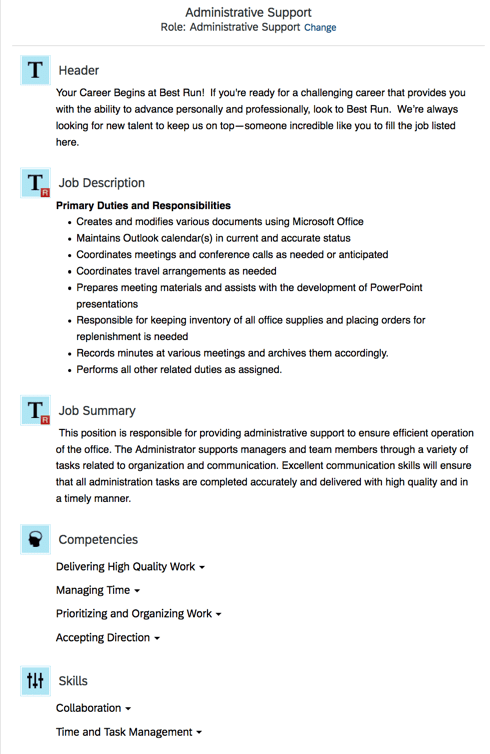

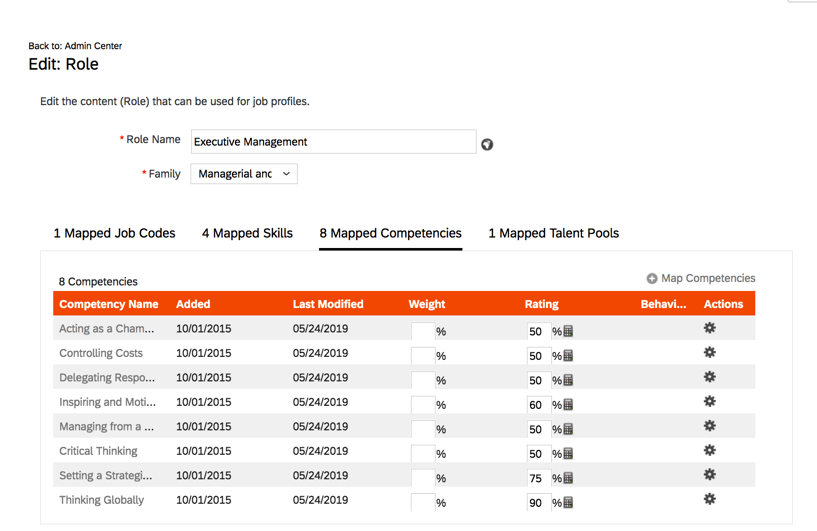
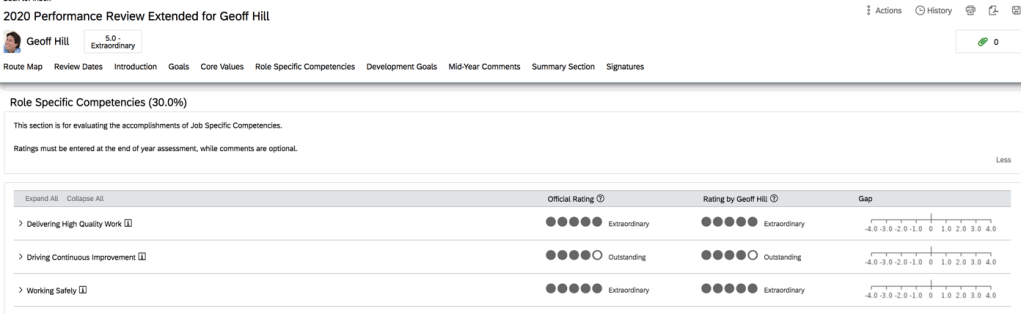

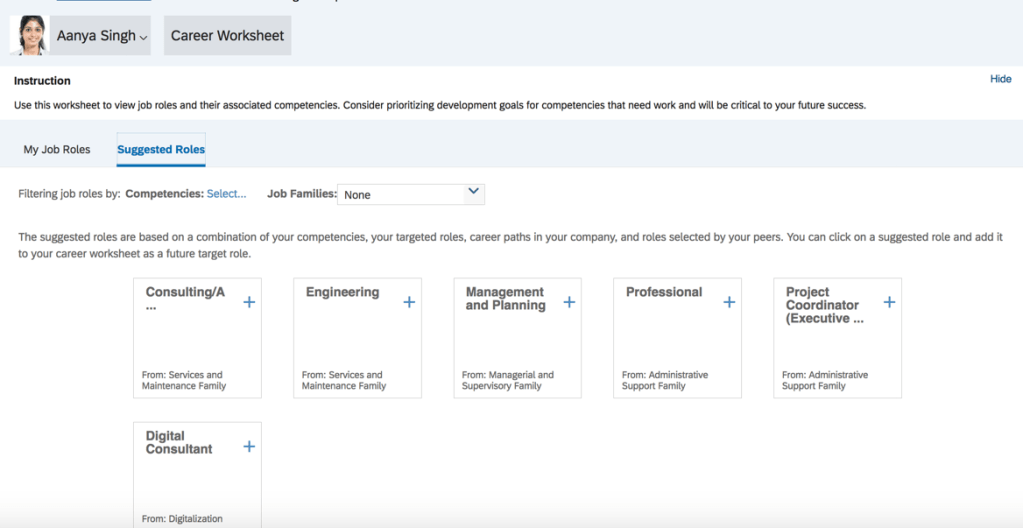
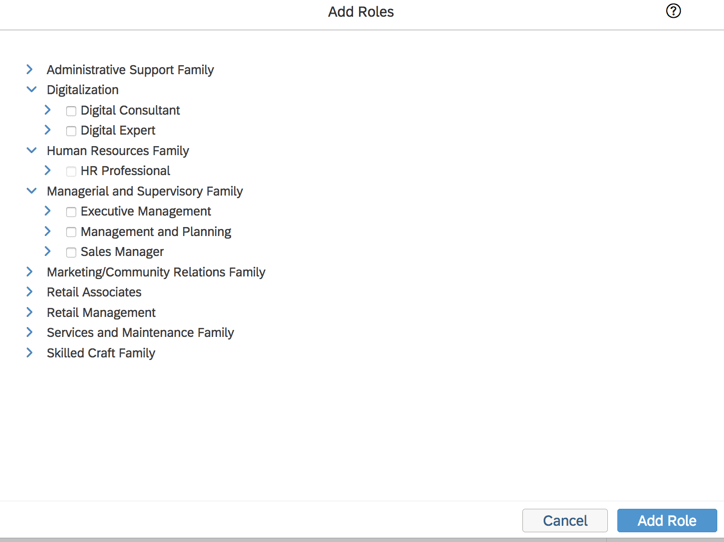
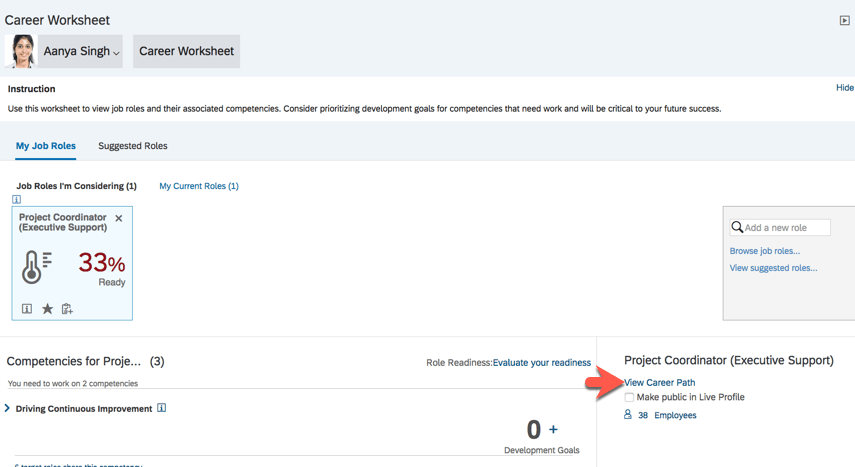
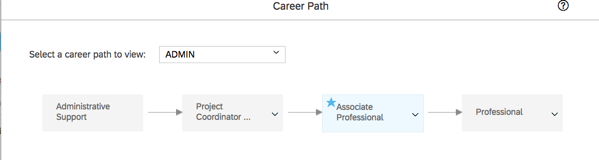


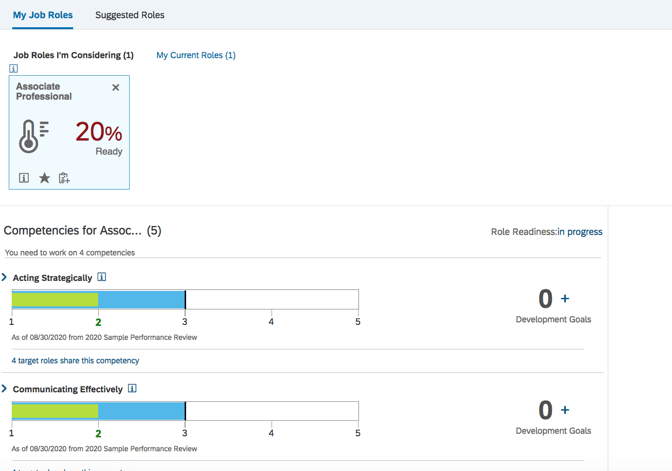
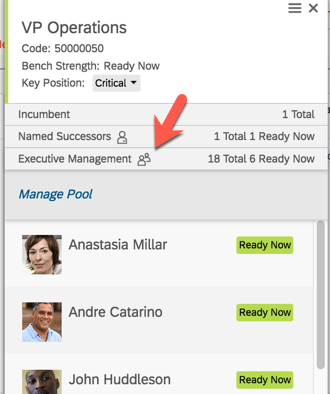
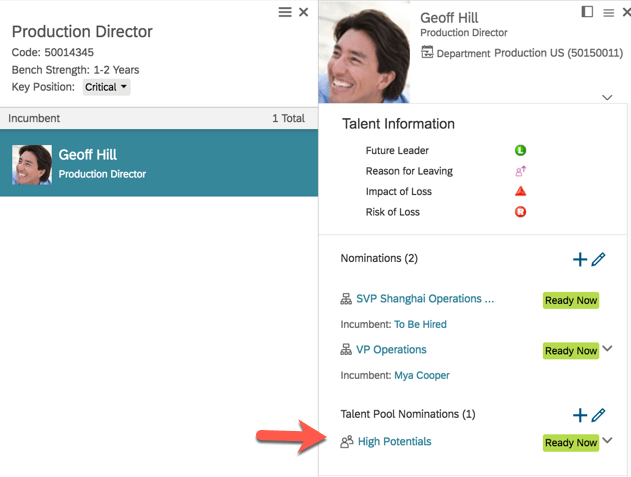




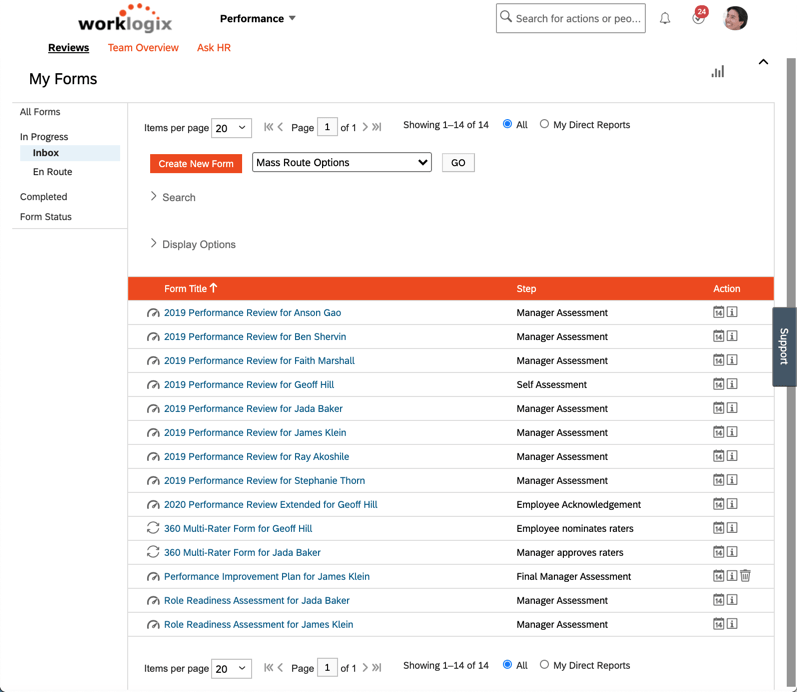
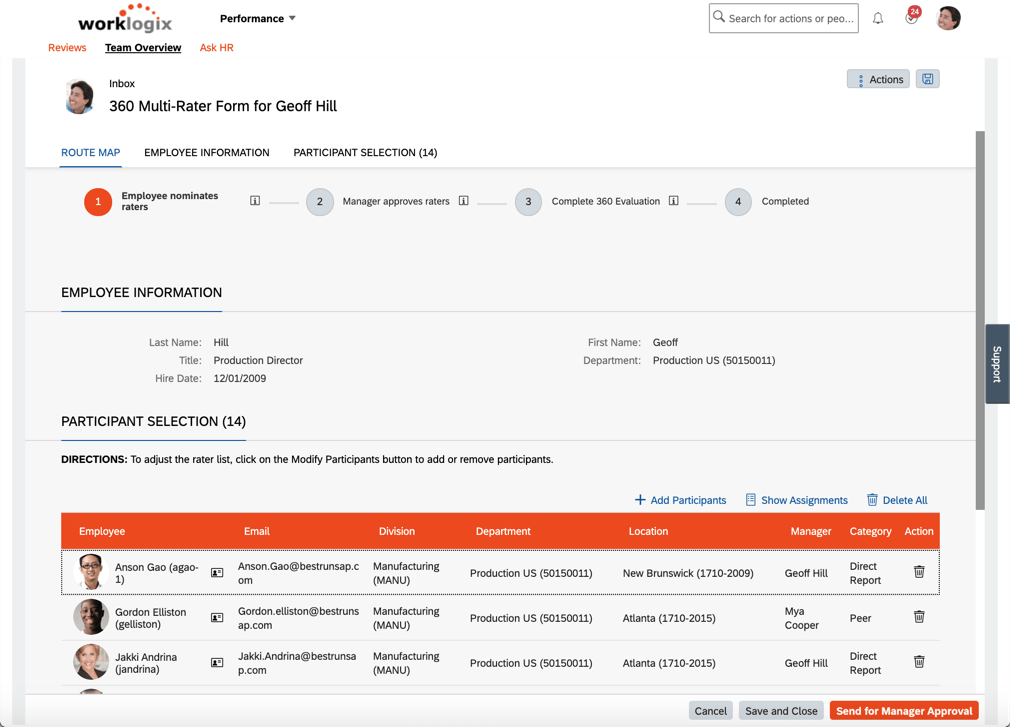
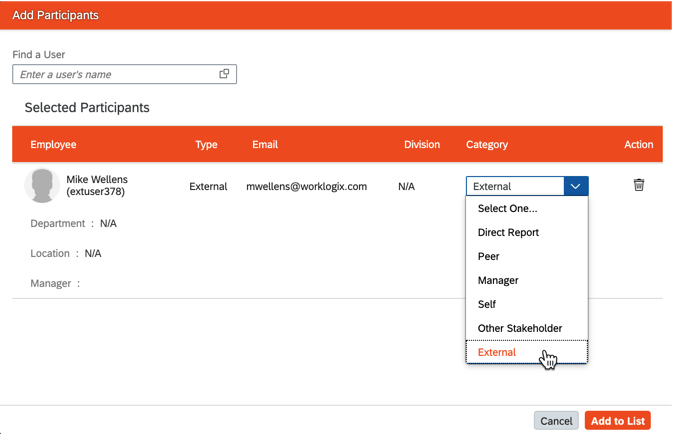

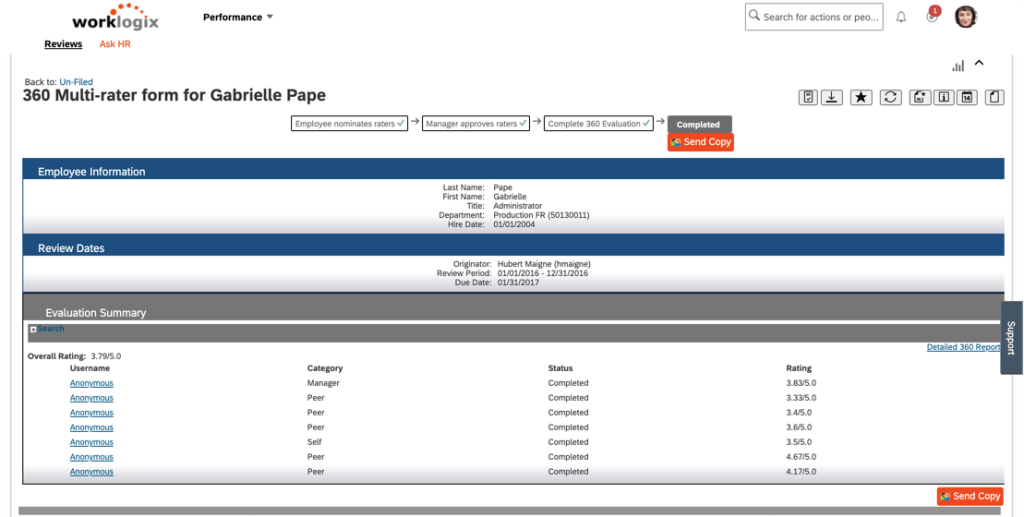

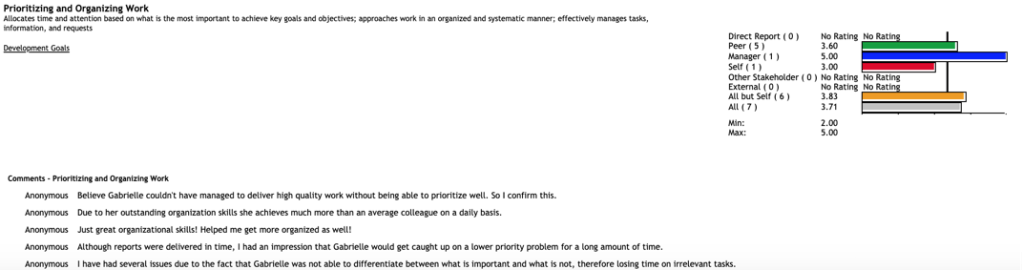


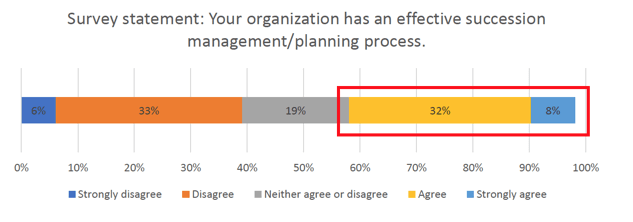
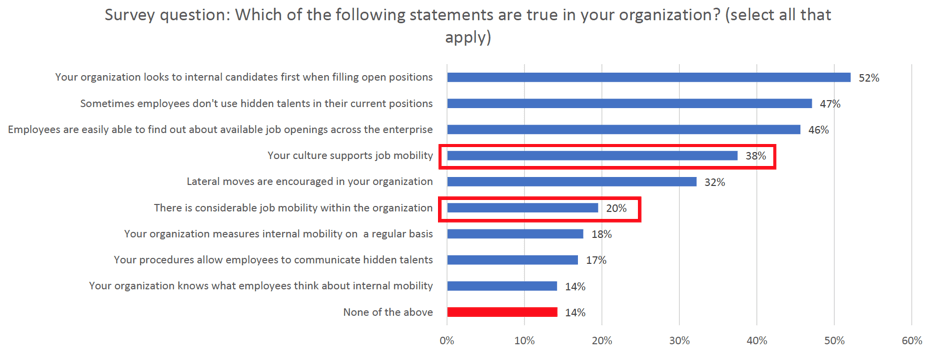
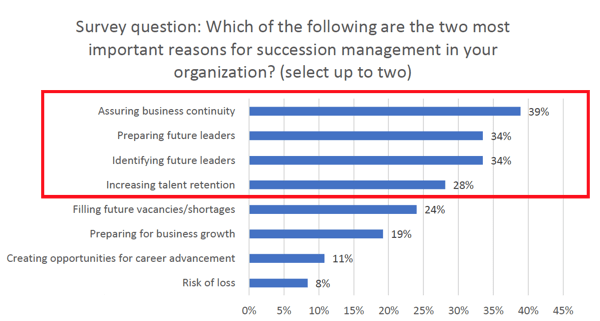
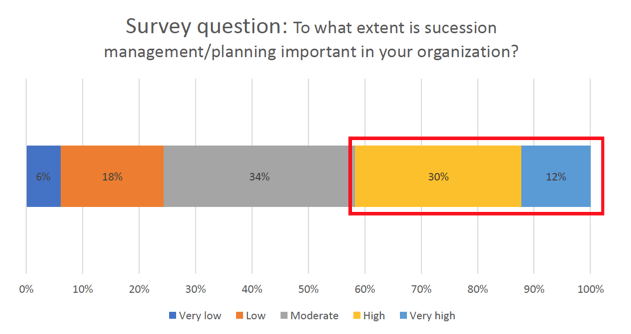
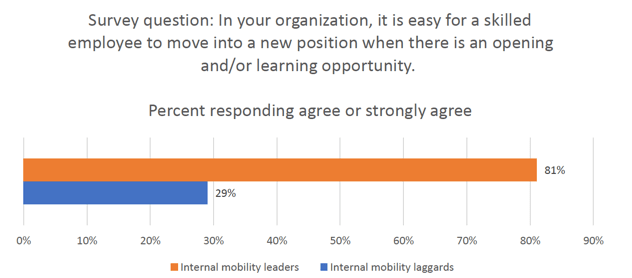
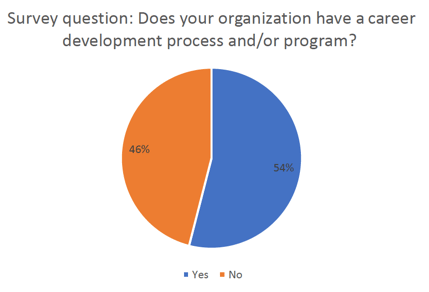
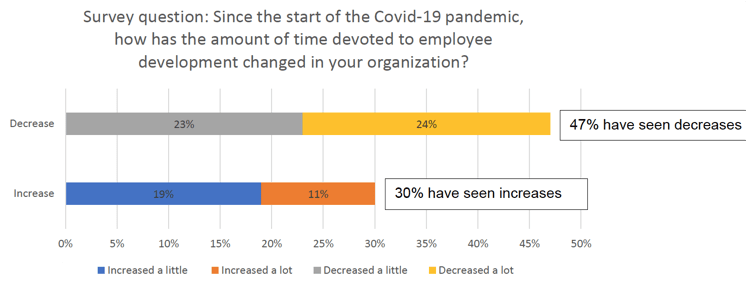
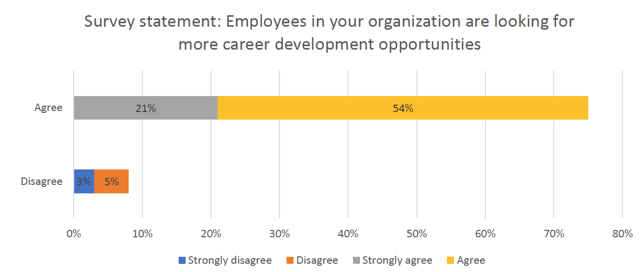


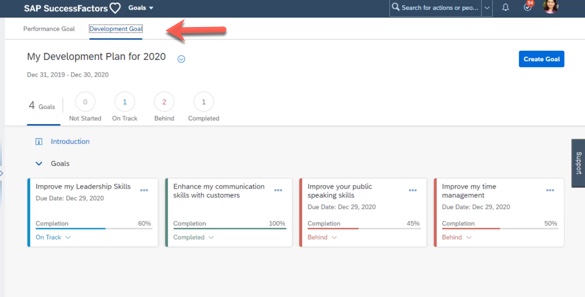
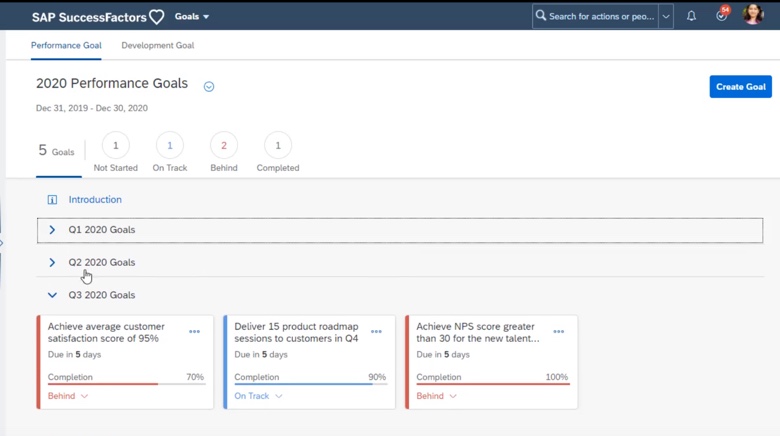
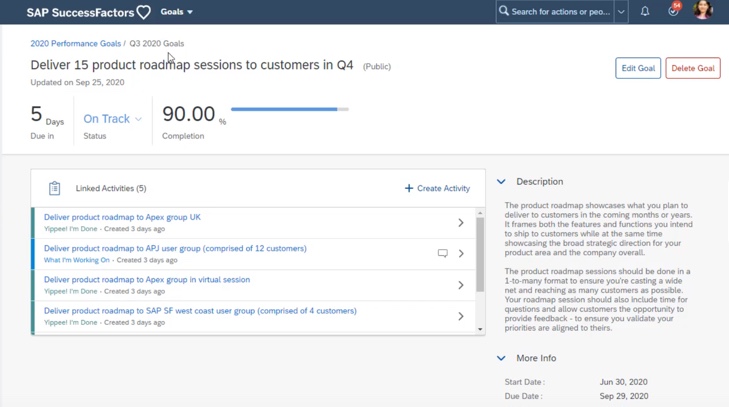
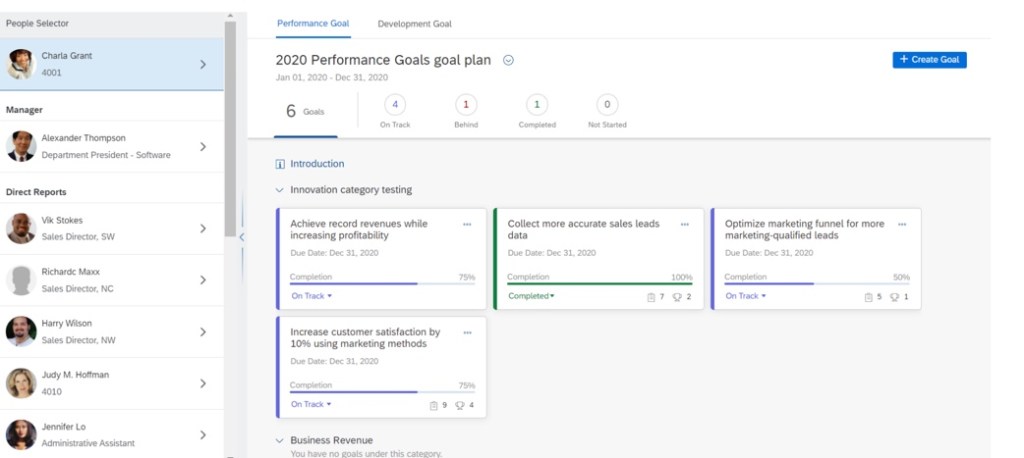
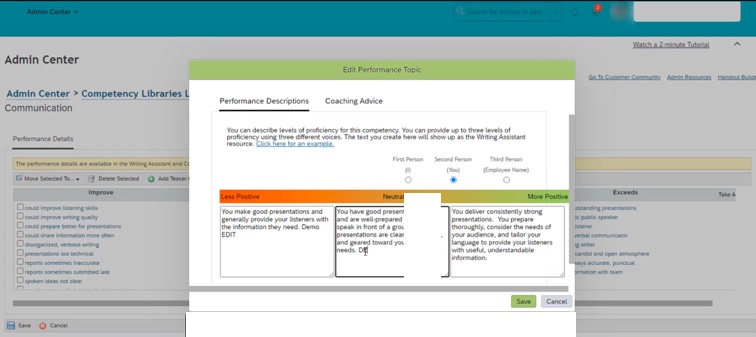
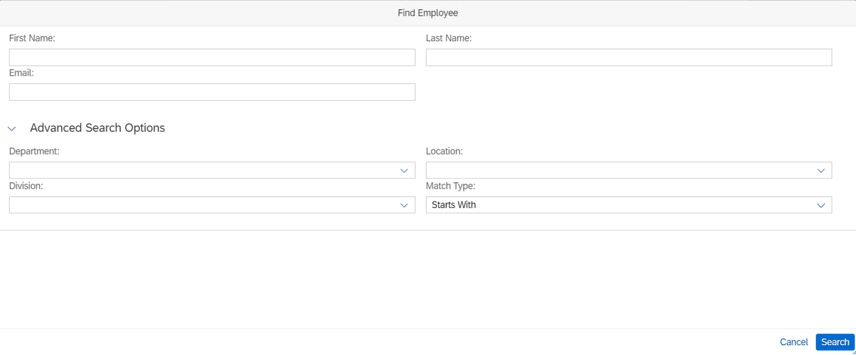
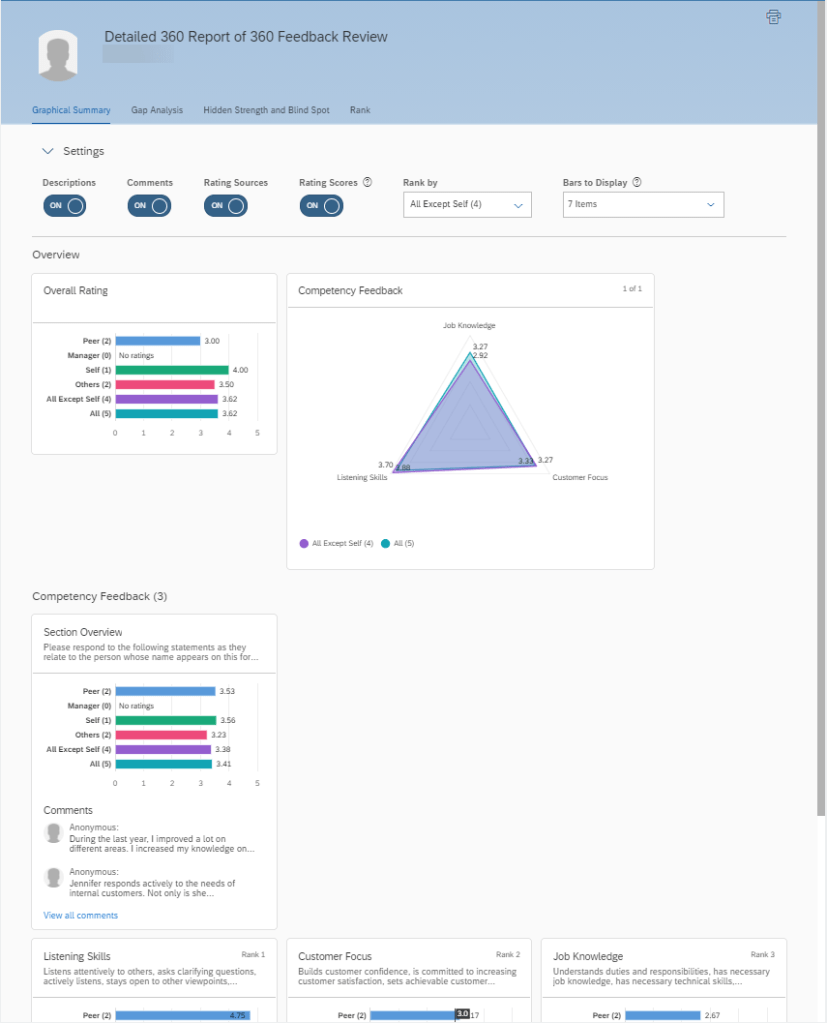
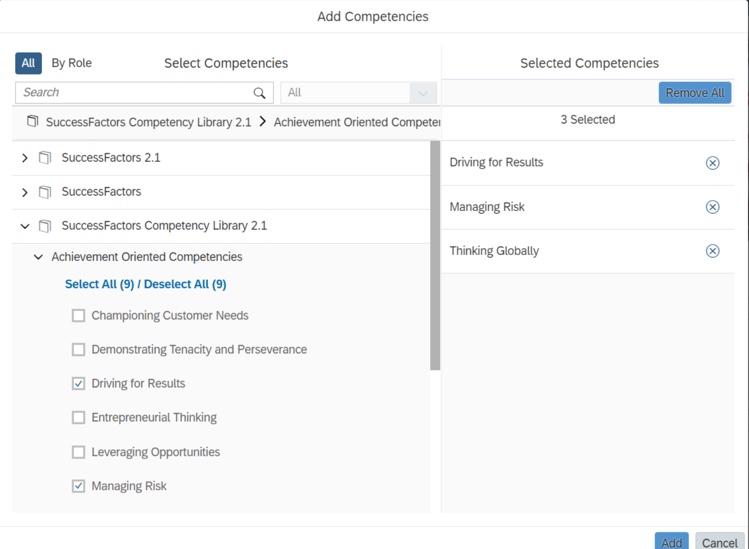
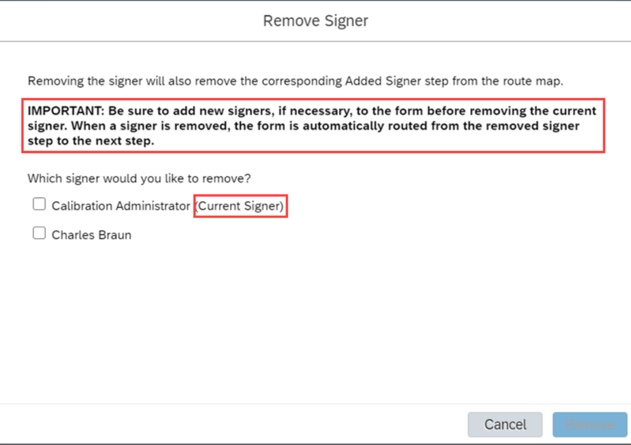
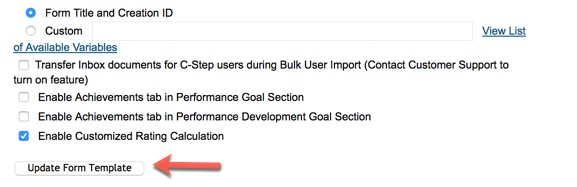
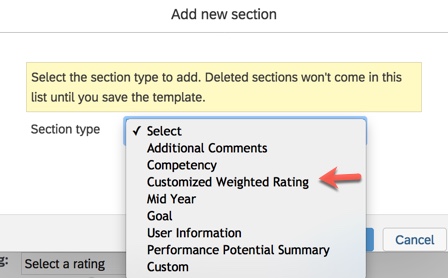
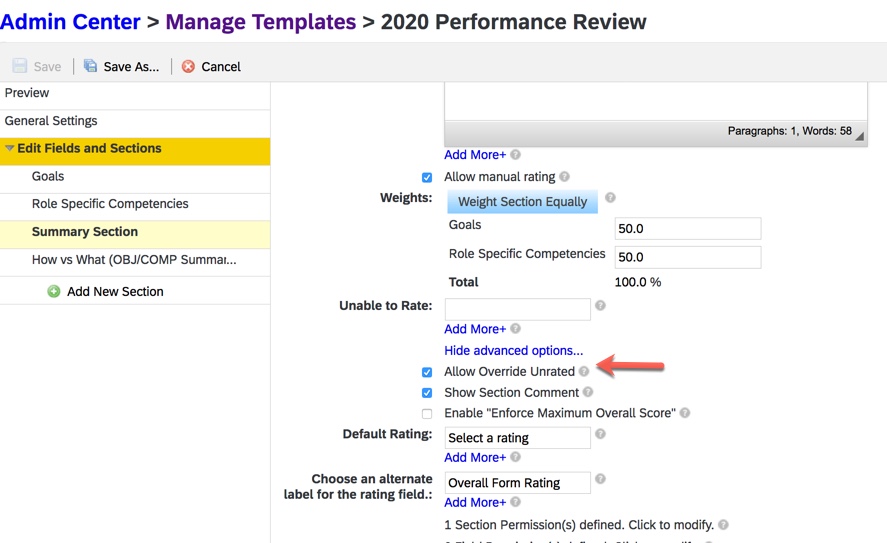
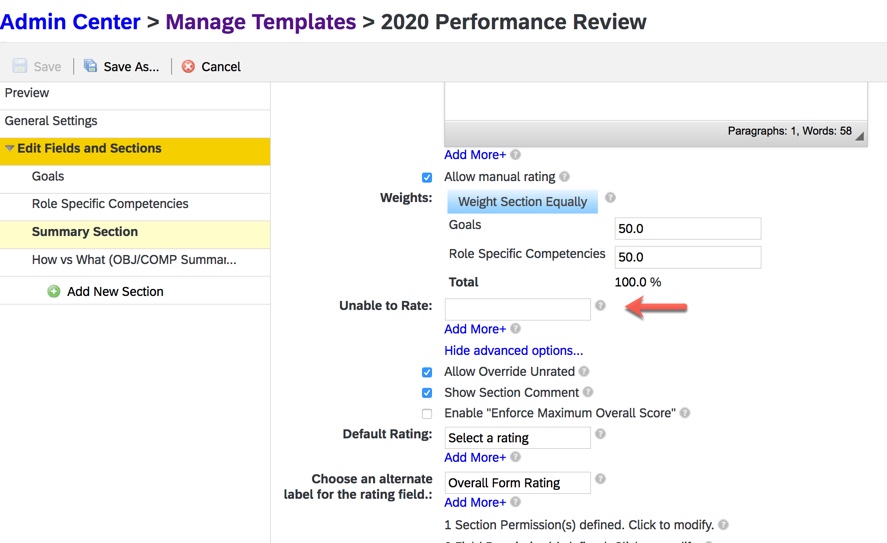
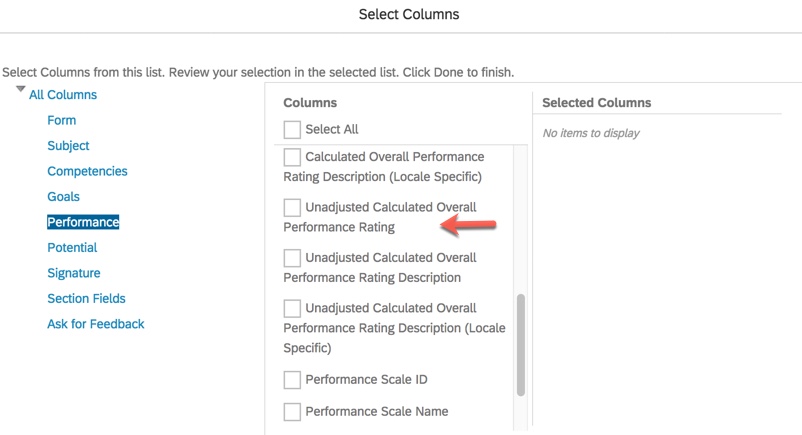
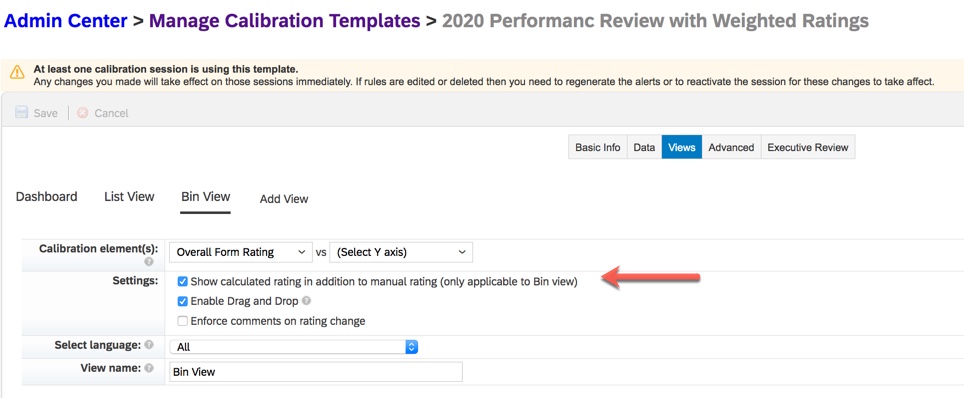



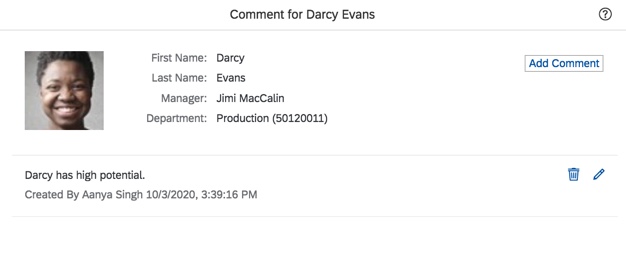
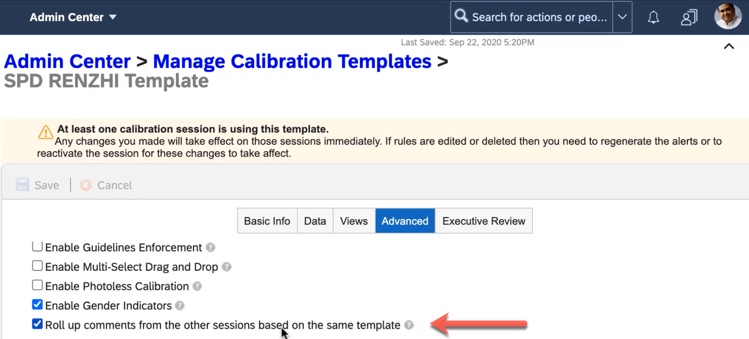
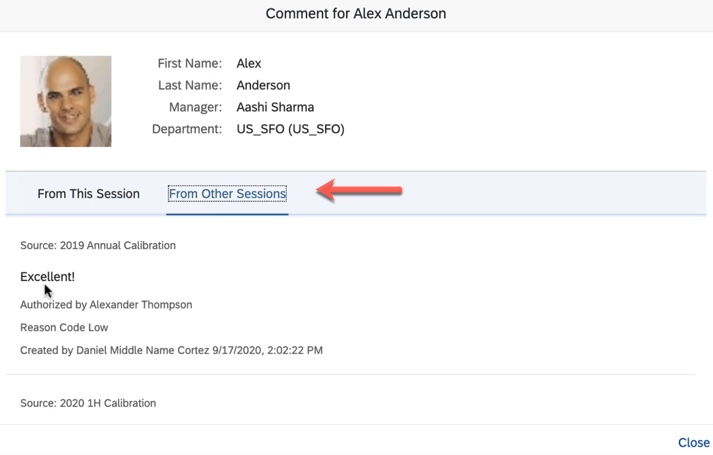
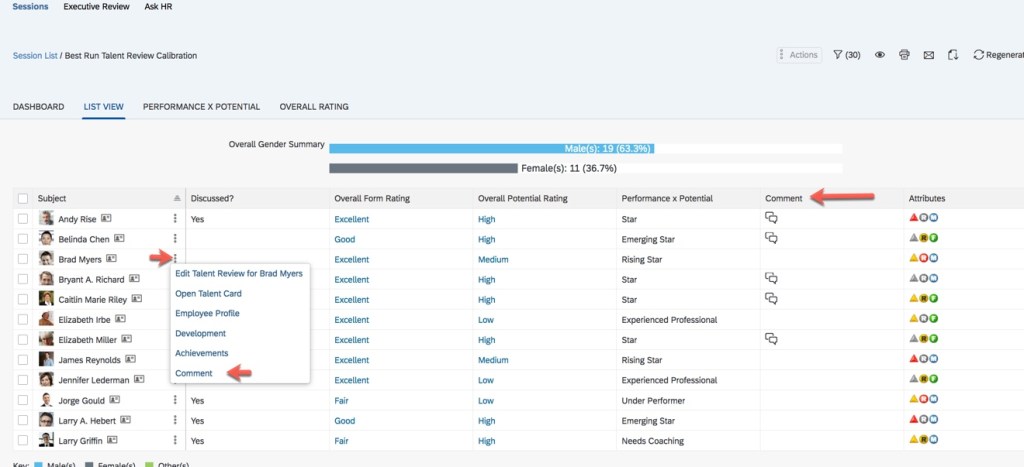
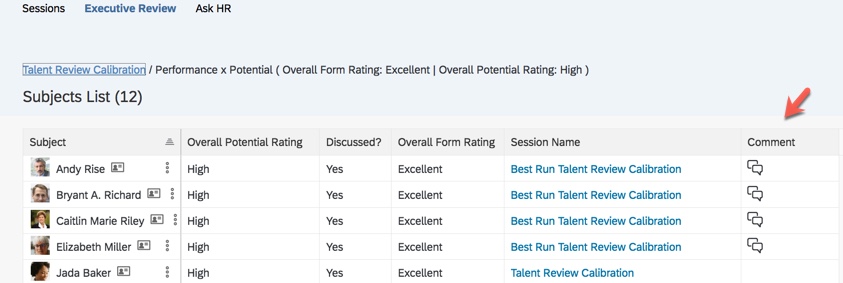
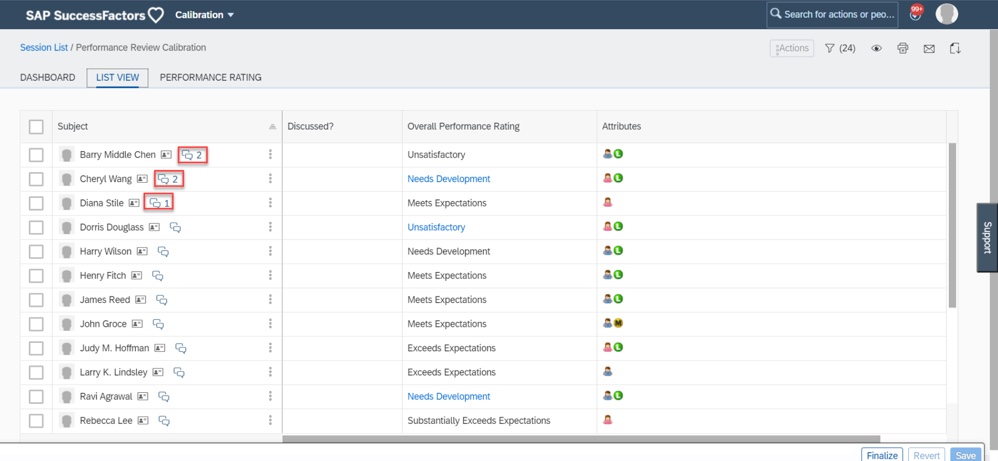
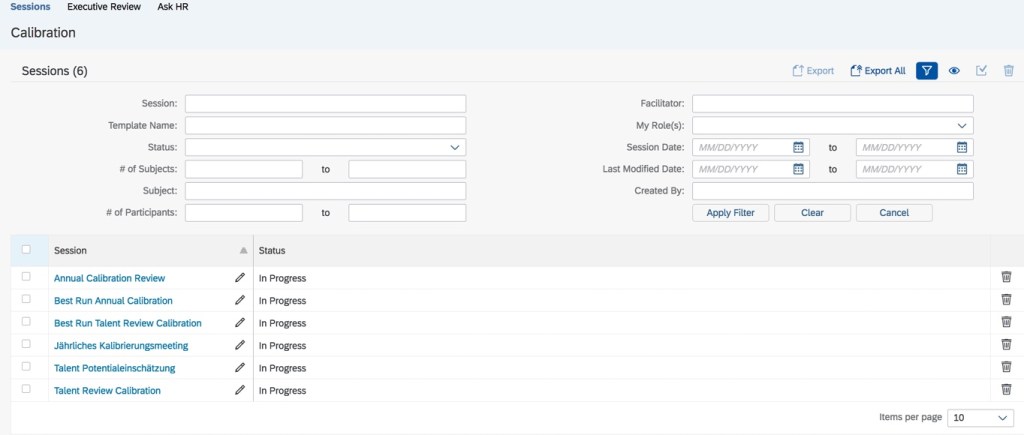
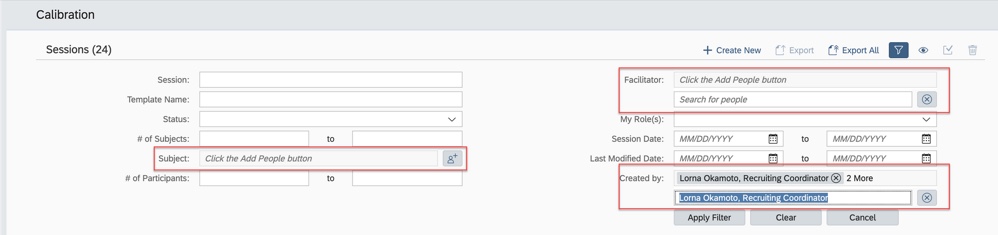
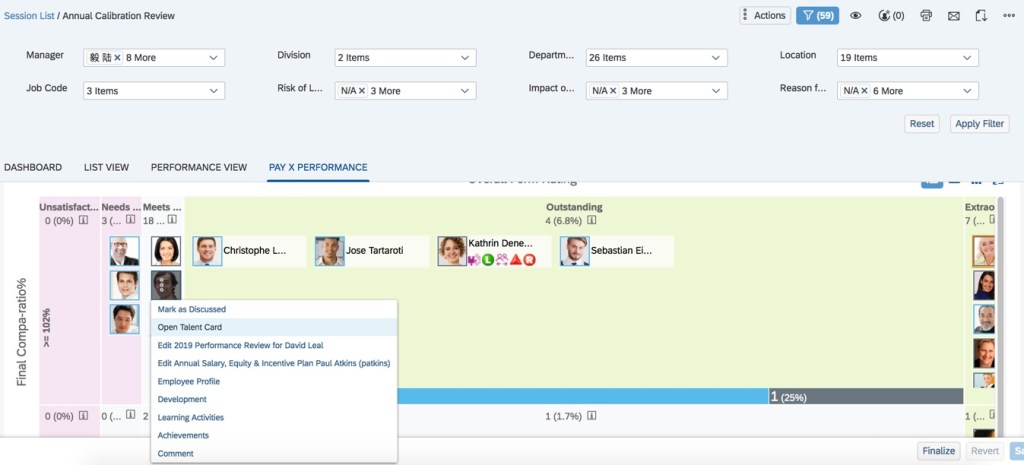
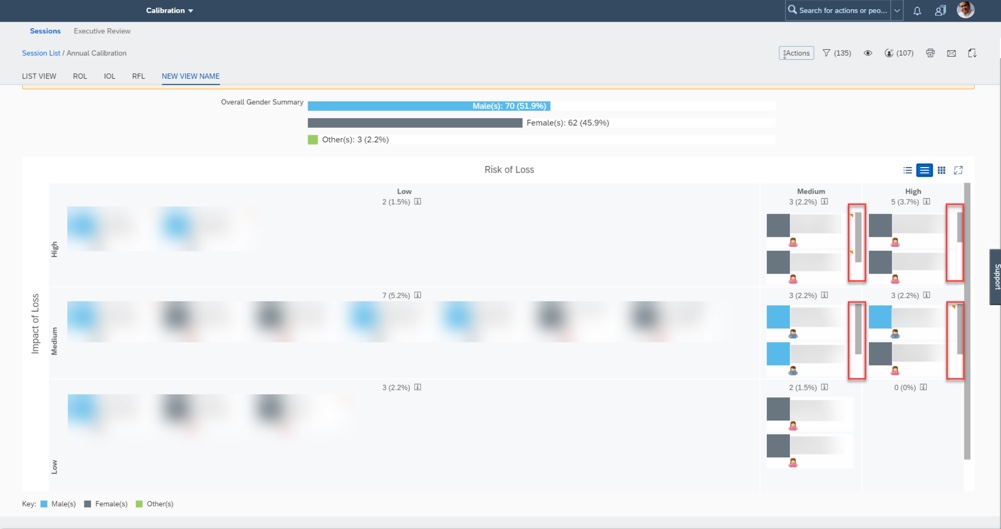
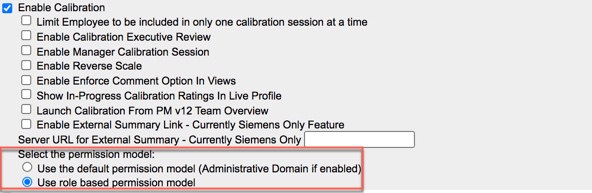
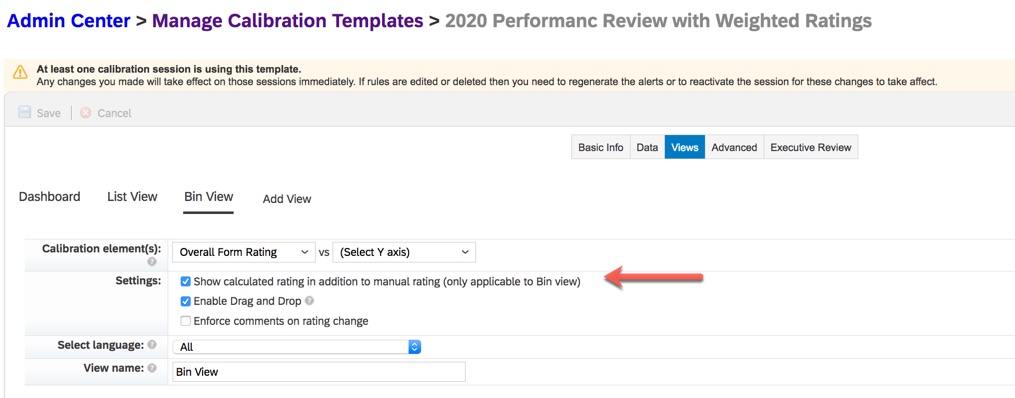


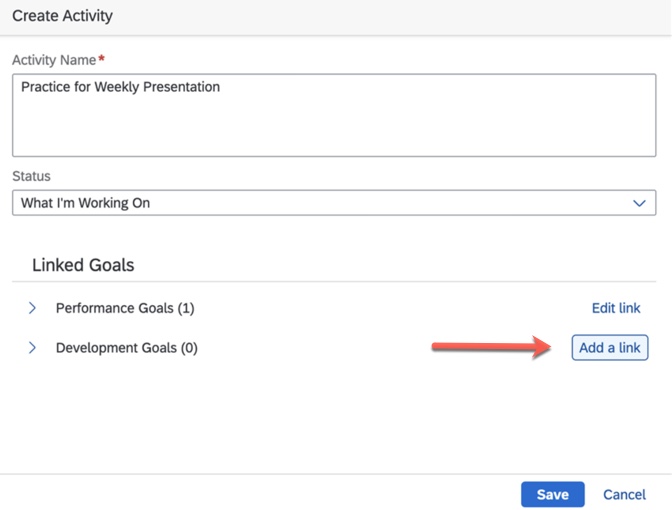
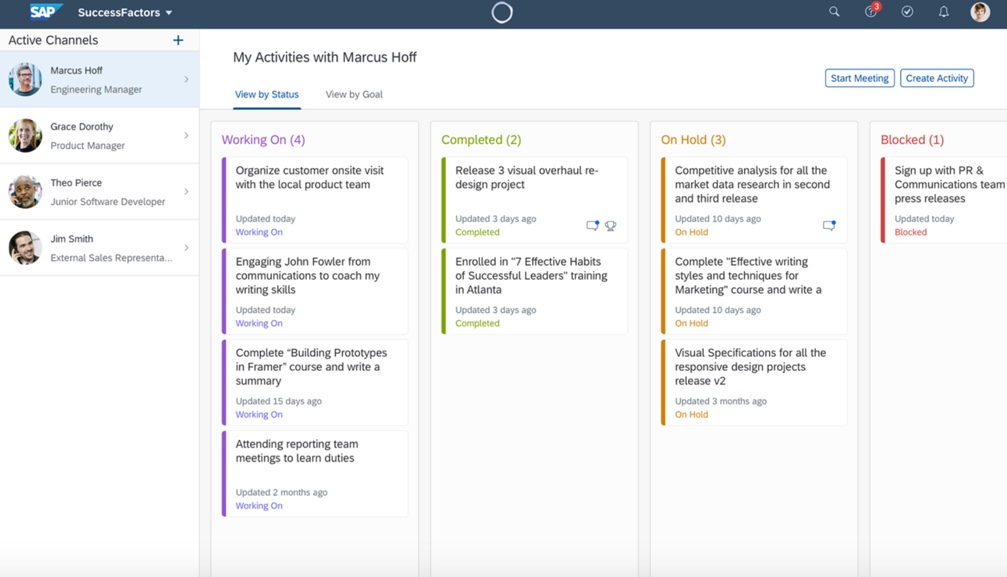
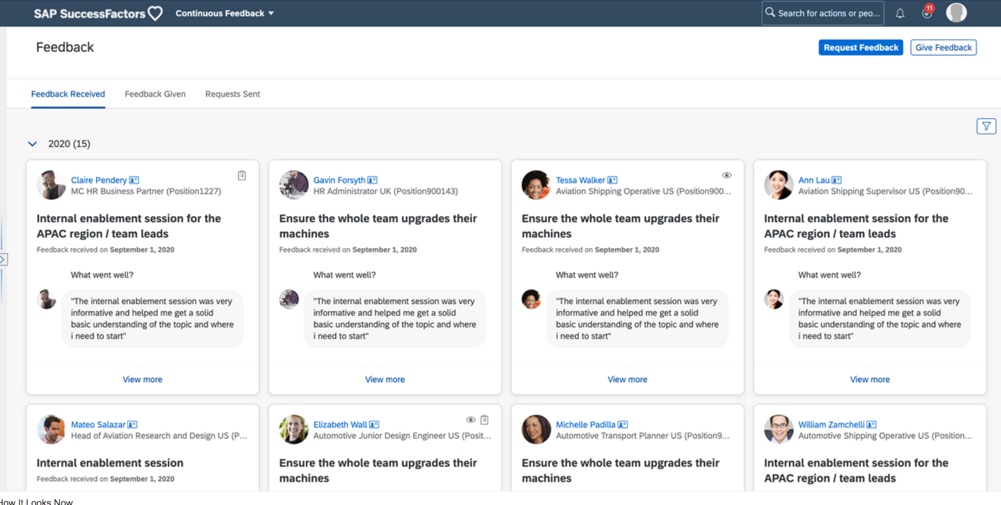




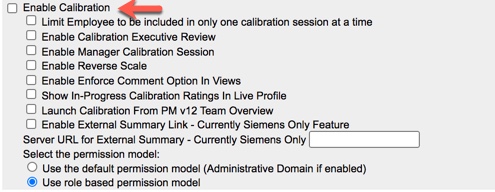

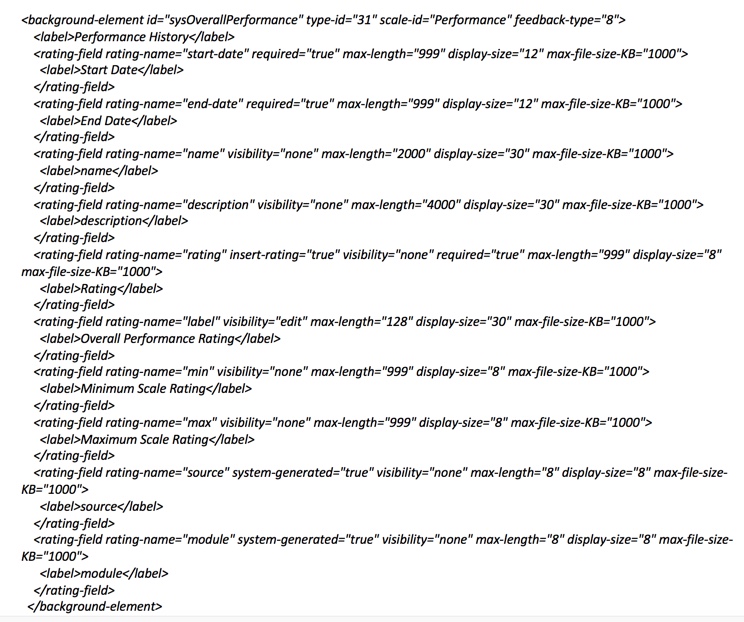
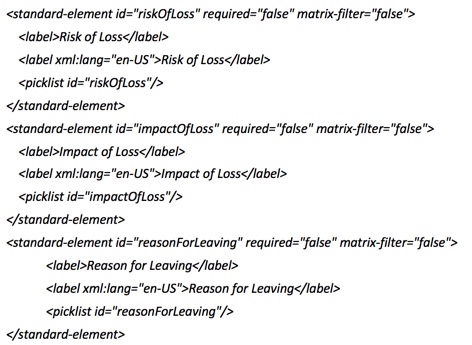
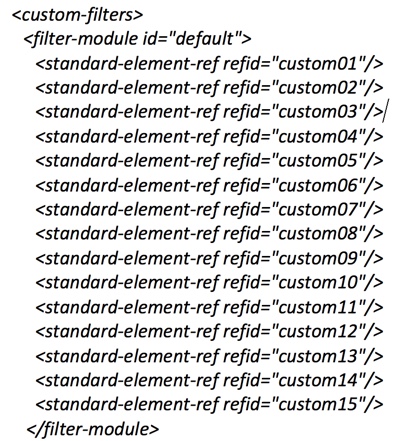
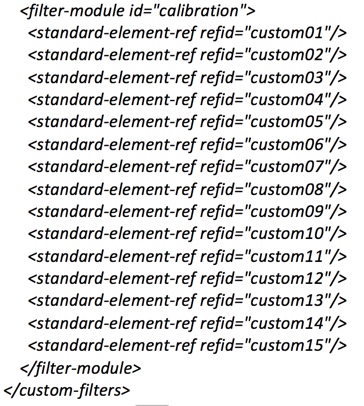
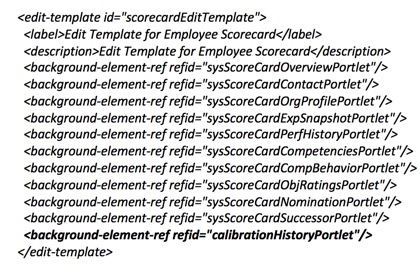

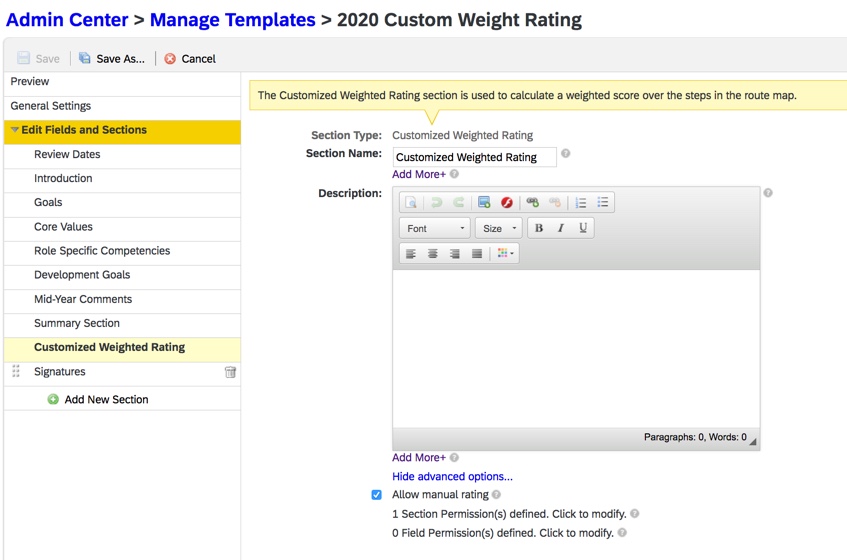

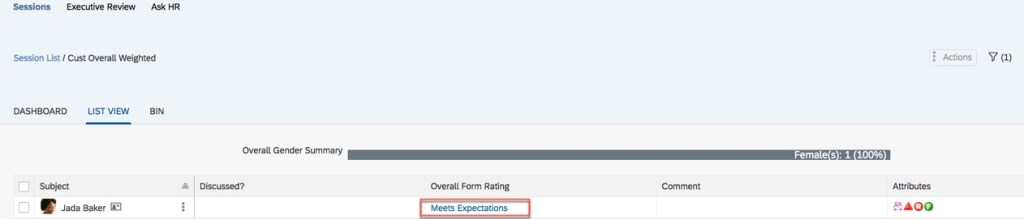
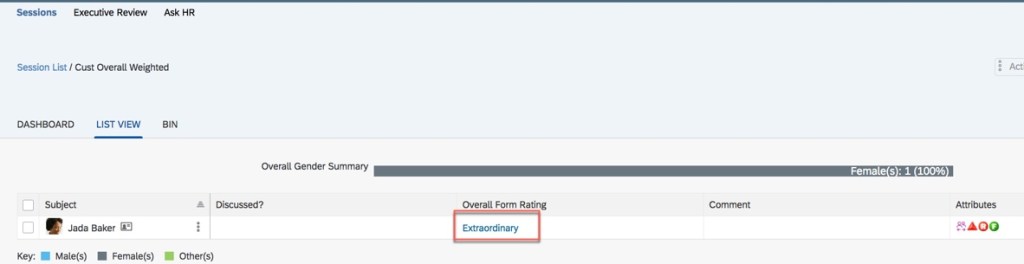
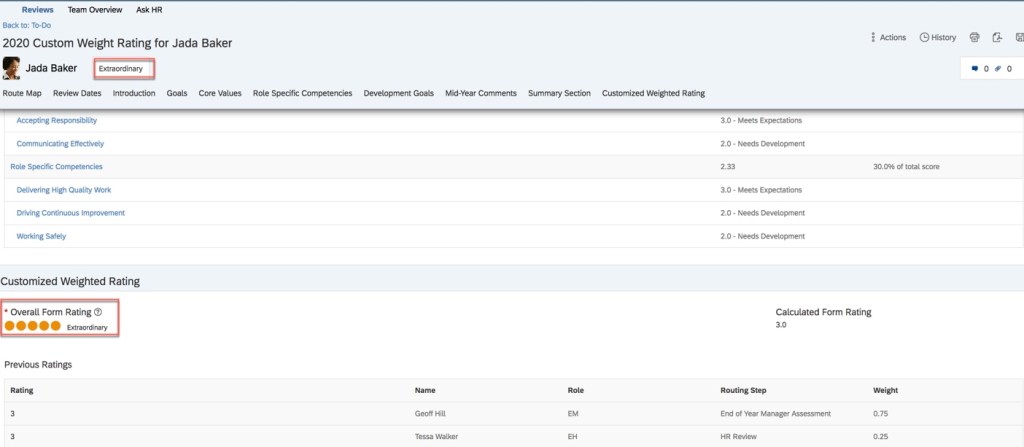
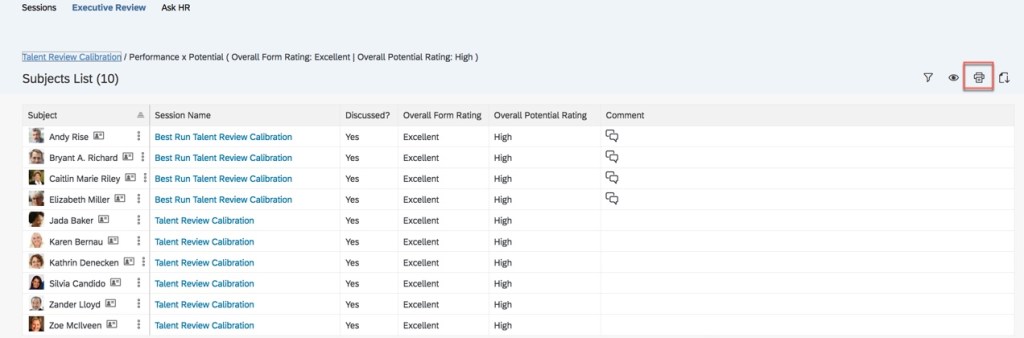
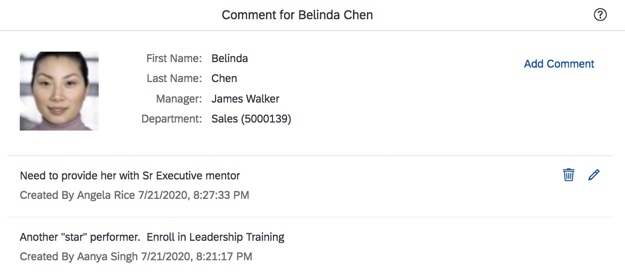
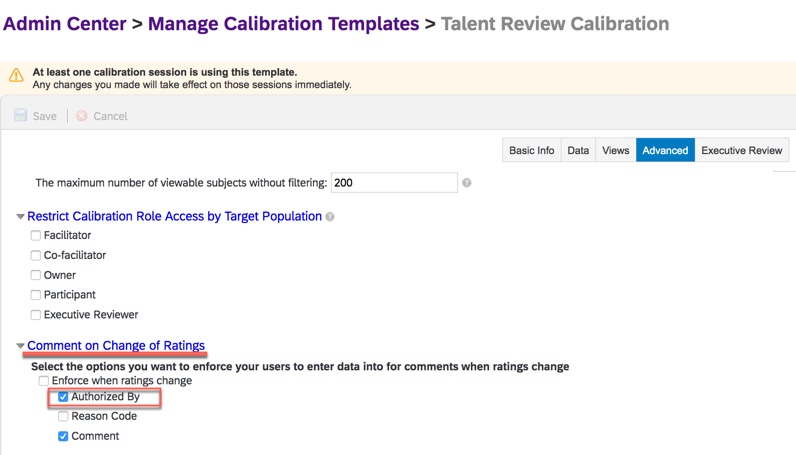
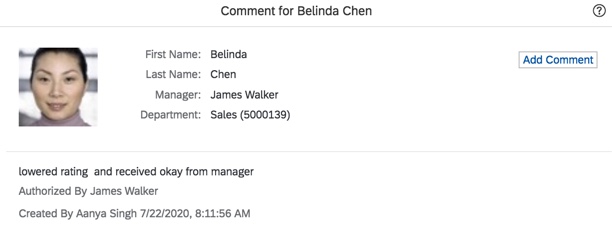
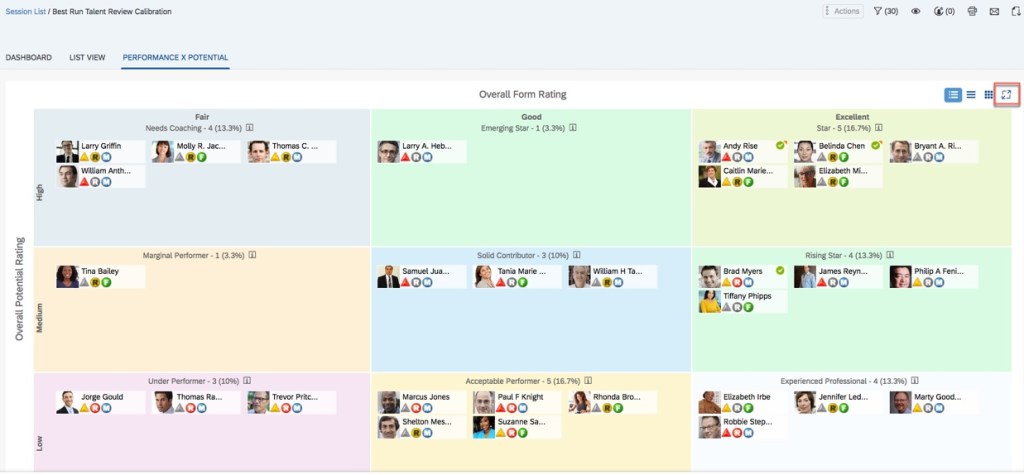
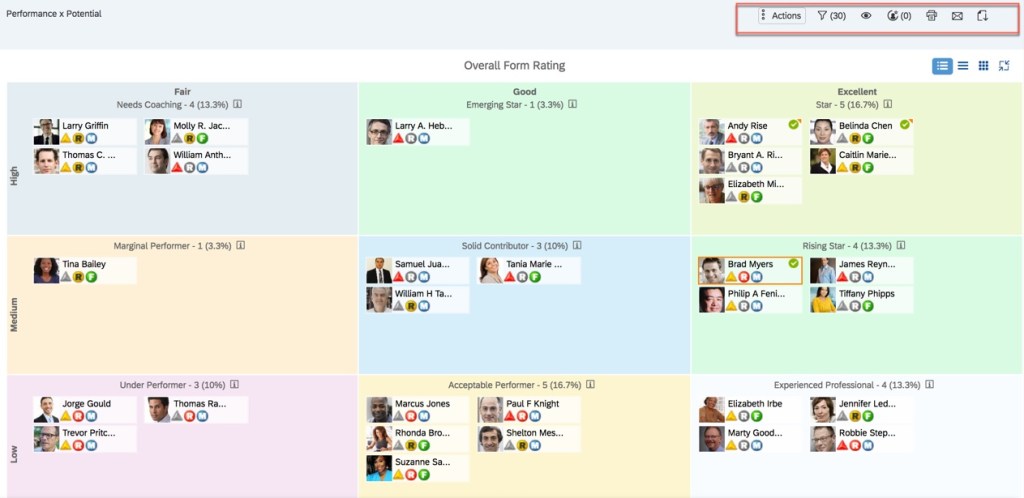
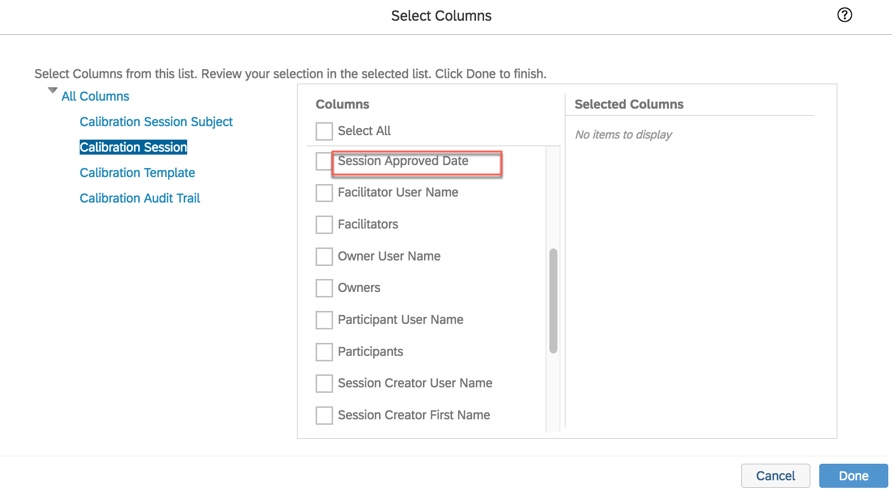
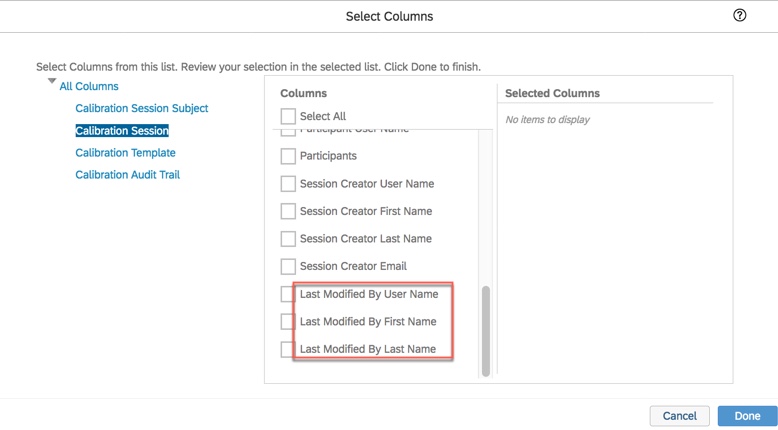
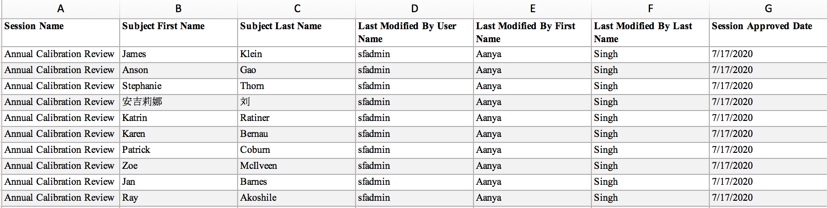



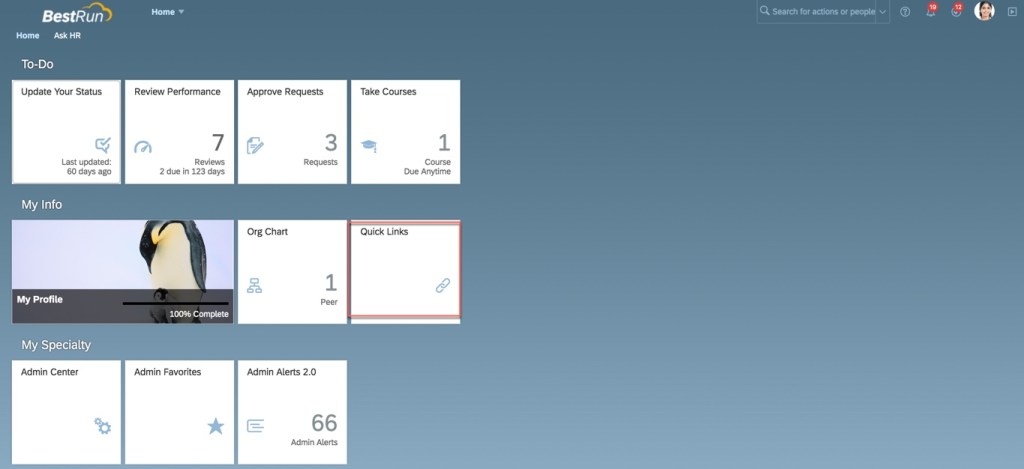

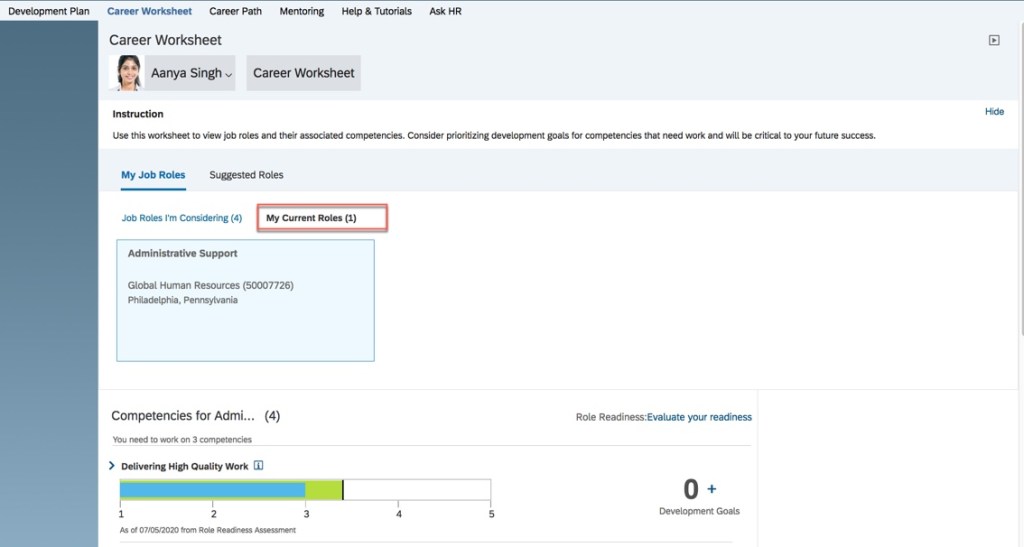

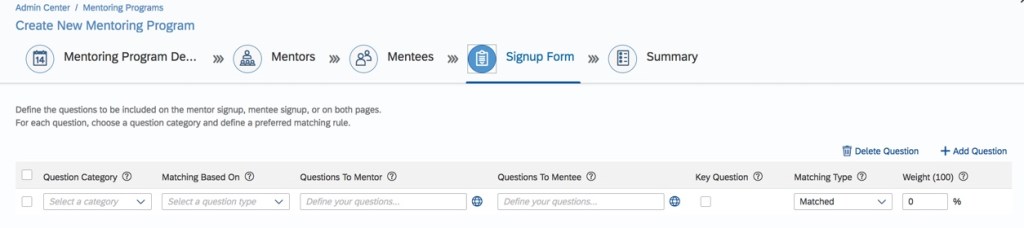
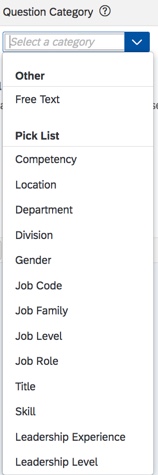
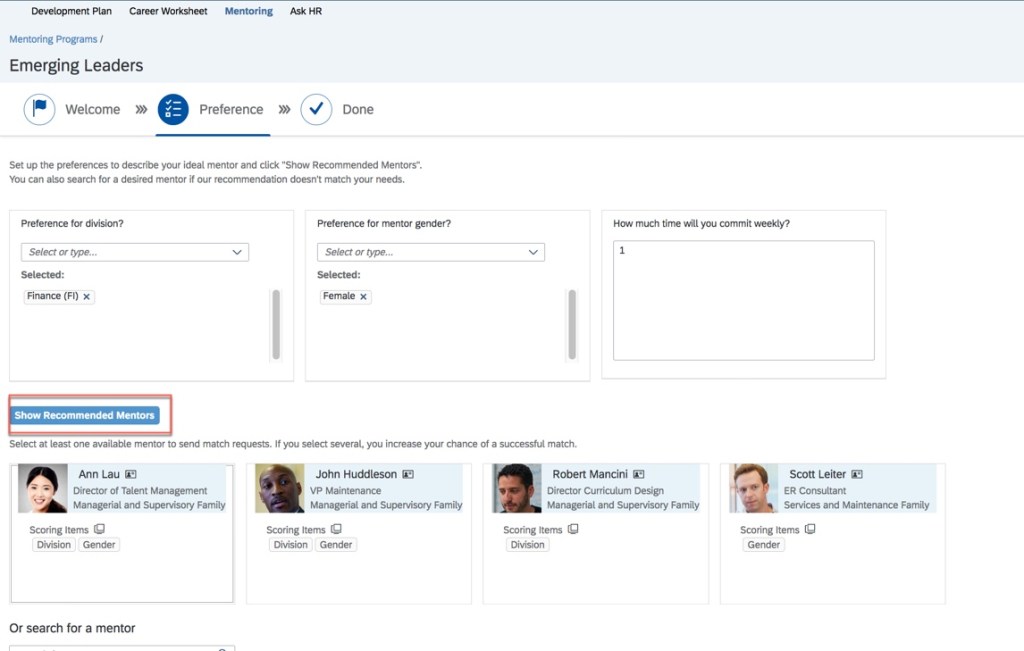

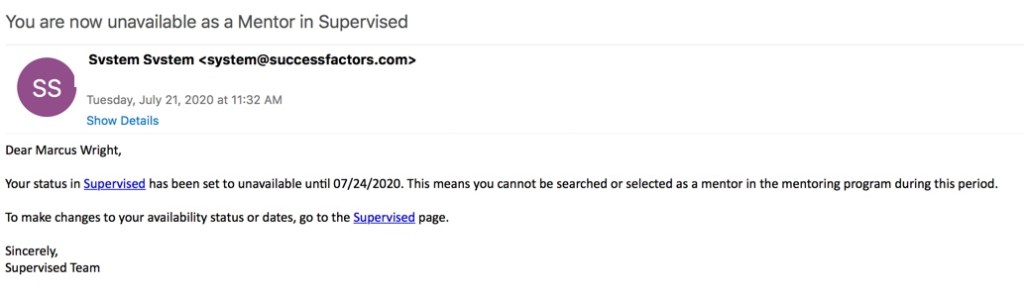
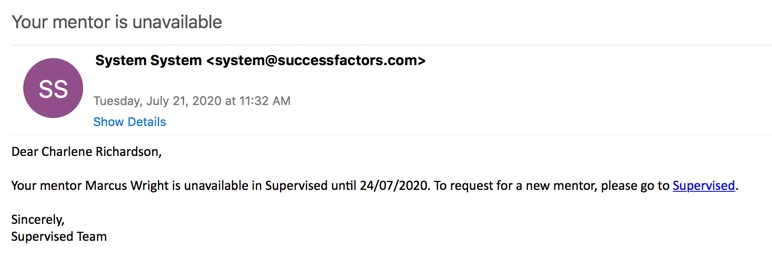

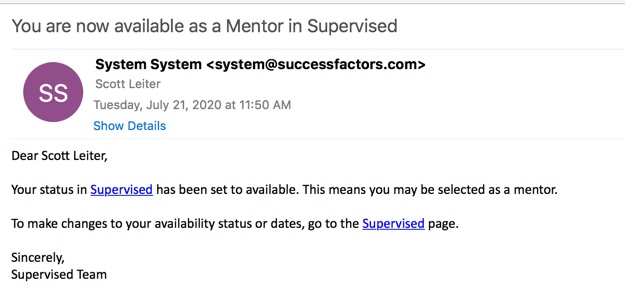



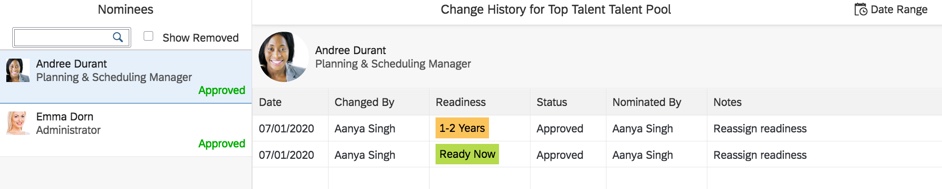
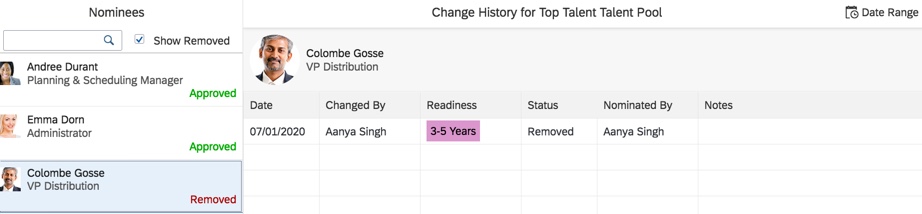
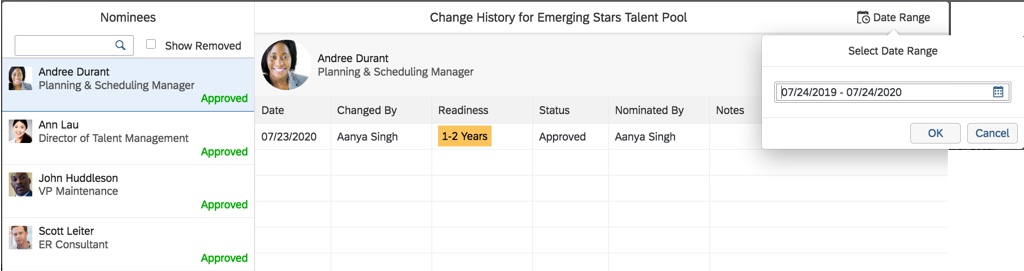

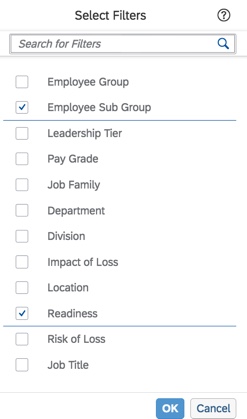
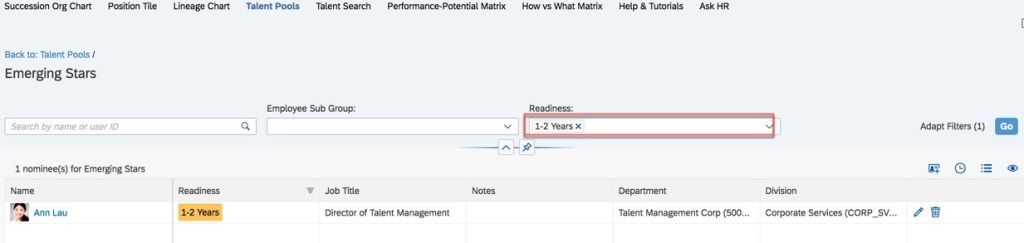
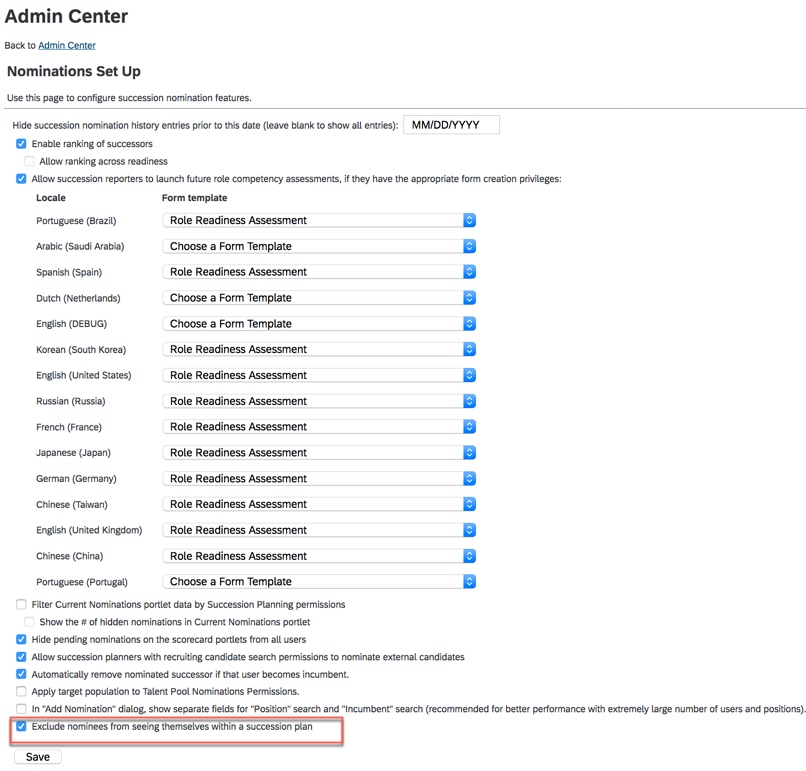
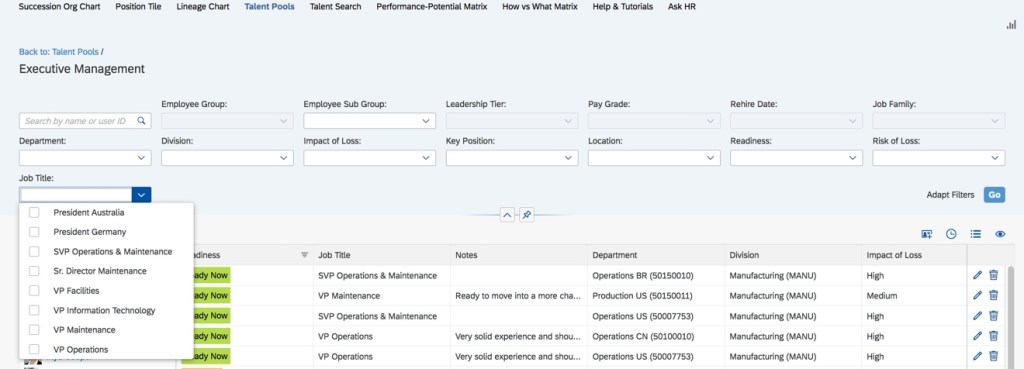
 Worklogix Blog